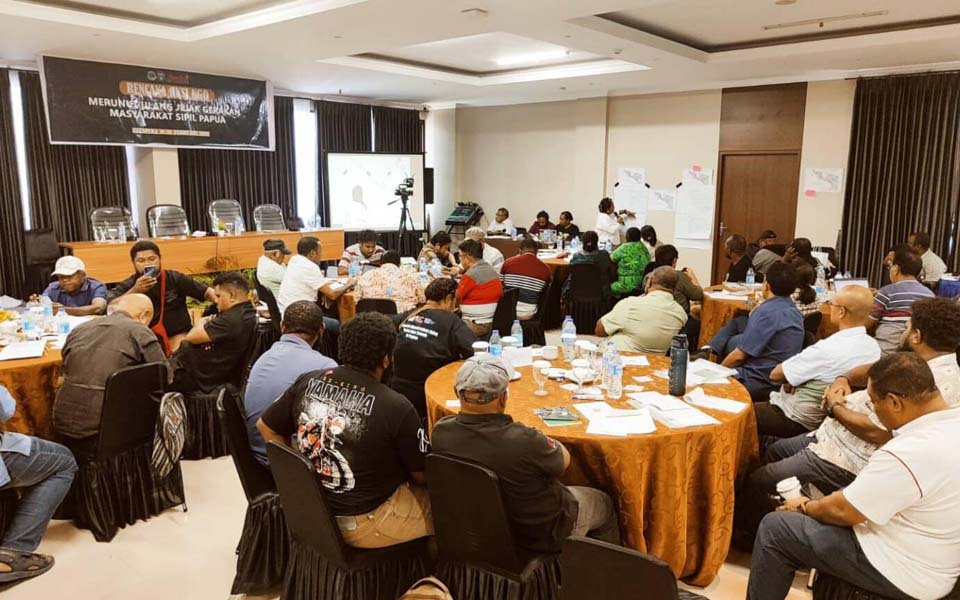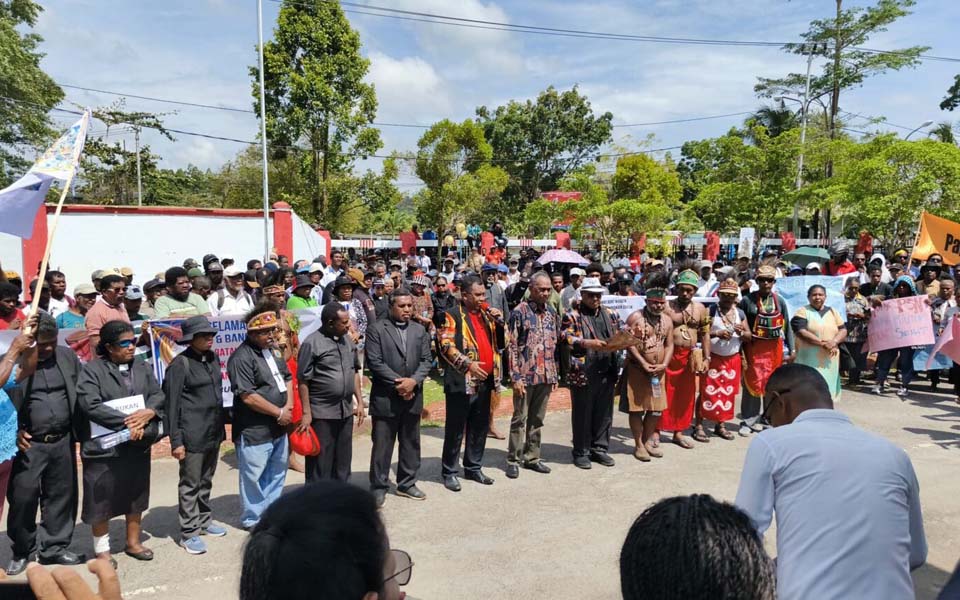


Jayapura, Jubi – Papua Solidarity House has expressed its position on the security situation in the land of Papua in recent weeks, which has been marked by a number of cases of violence.
The Papua Solidarity House consists of the Indonesian Legal Aid Foundation (YLBHI), Amnesty International Indonesia (AII), the People's Earth Heritage Foundation (Pusaka), the Indonesian Communion of Churches (PGI), The Indonesian Forum for the Environment (Walhi), Greenpeace Indonesia, the Alliance of Independent Journalists (AJI), the Commission for Missing Persons and Victims of Violence (Kontras), the Asian Justice and Rights (AJAR) and other individuals.
The Papua Solidarity House said that victims have fallen again in recent weeks, including the shooting of Indonesian Military (TNI) members in the area of the PT Freeport Indonesia gold and copper mine on February 11, and the shooting of the pilot and co-pilot at the Koroway Batu Airport in Yaniruma district, Boven Digoel Regency, South Papua, also on February 11.
"Based on this situation, the government should learn from its mistakes so that people's lives do not continue to be sacrificed. The government must refocus on addressing the root of the problem of injustice and human rights violations in Papua", wrote Papua Solidarity House in a press release on Wednesday February 18.
The group said that learning about conflict resolution, as the government of the Republic of Indonesia did in East Timor (now Timor Leste) and in Aceh, needs to be done in the conflict in Papua.
For this reason, the advocacy institutions and individuals that are members of the Papua Solidarity House emphasised five points to the president of the Republic of Indonesia. First, to immediately issue a presidential decree implementing international humanitarian law in Papua, so that the status of military operations throughout Papua have legality that is recognised nationally and internationally.
Asking the president to order the Ministry of Human Rights to immediately establish a History Rectification Commission, a Human Rights Commission and a Human Rights Court in the Land of Papua in accordance with the Special Autonomy Law (Otsus) that can deal with human rights violations in Papua and immediately find a peaceful solution to the political conflict between Indonesia and Papua in order to protect human rights in Papua.
The President was asked to order their respective ministries and regional heads to deal with all refugees resulting from the armed conflict in Papua.
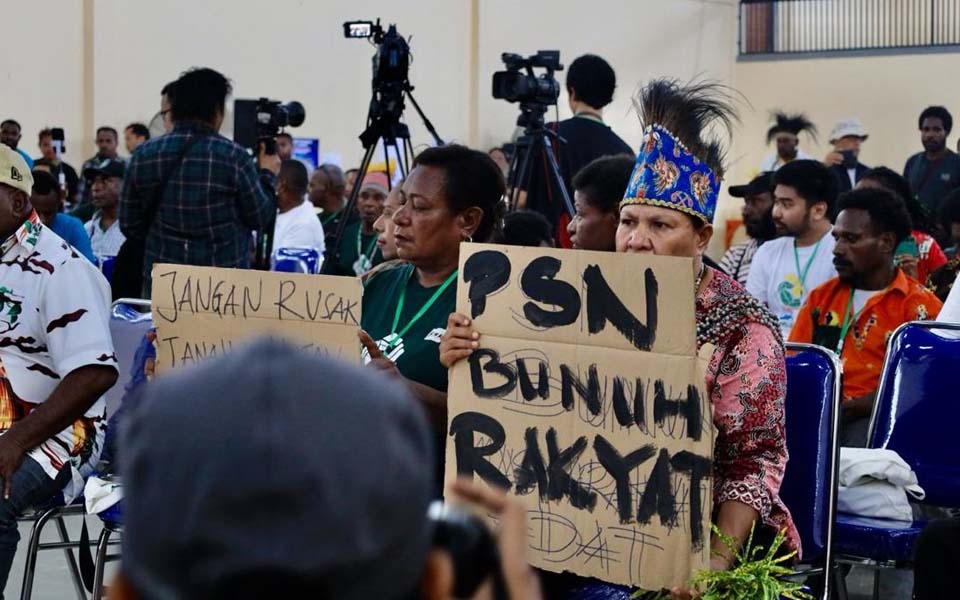
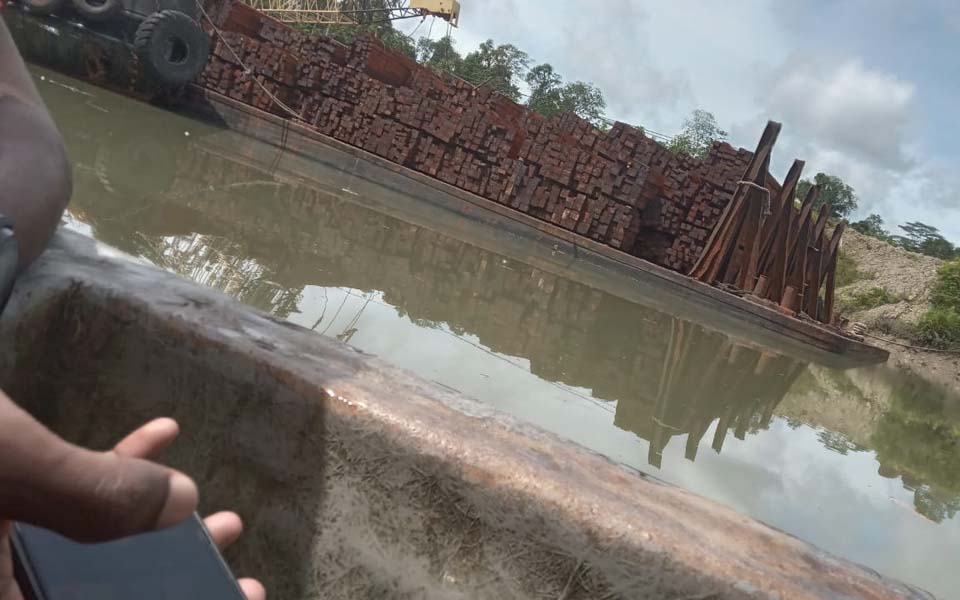
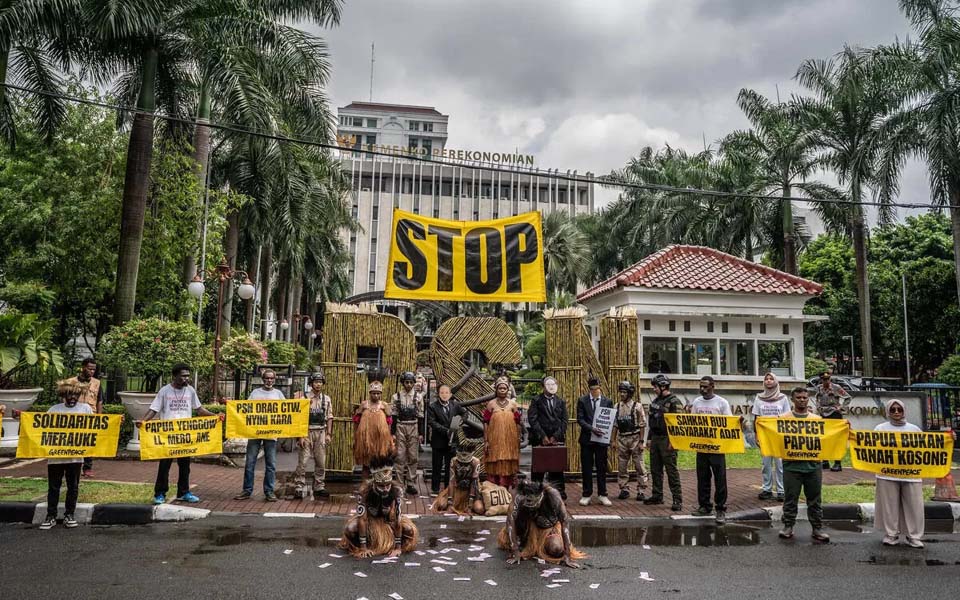
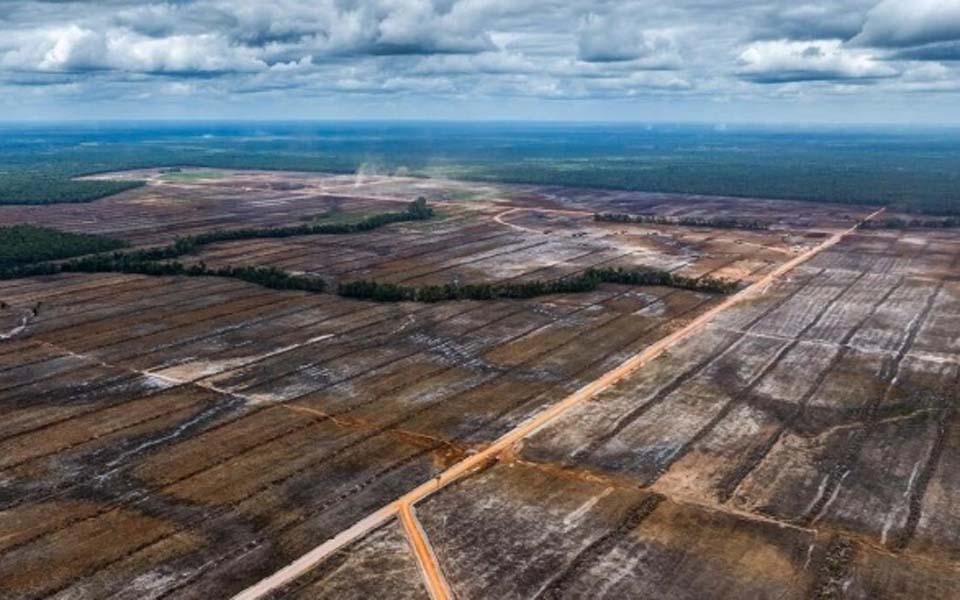
Requesting a halt to national strategic project (PSN) in Papua that has violated the rights of Papuan indigenous people.
Implement all recommendations from the People's Representative Council (DPD) members from Papua in order to protect the human rights of indigenous and non-indigenous Papuans in the territory of Papua.
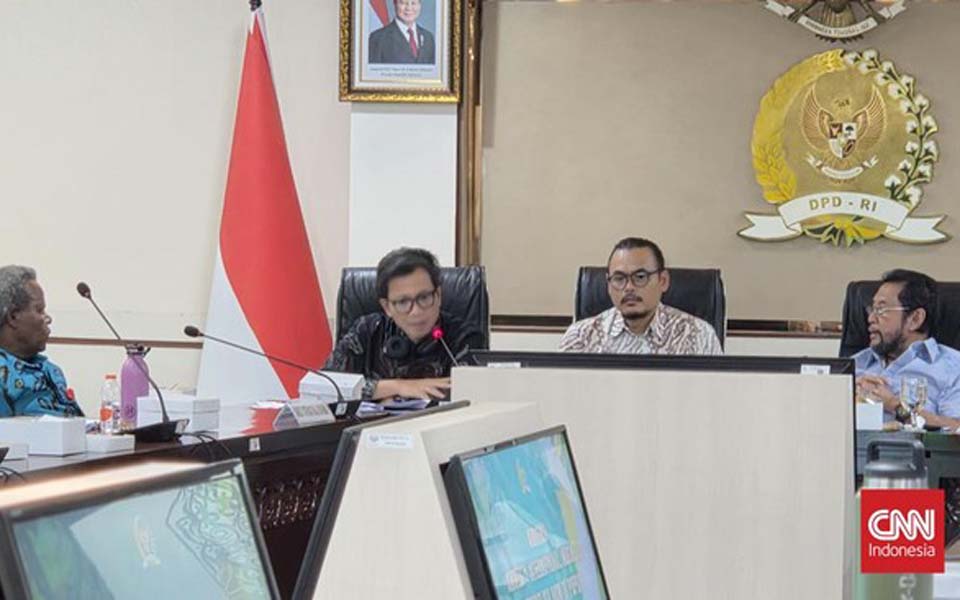
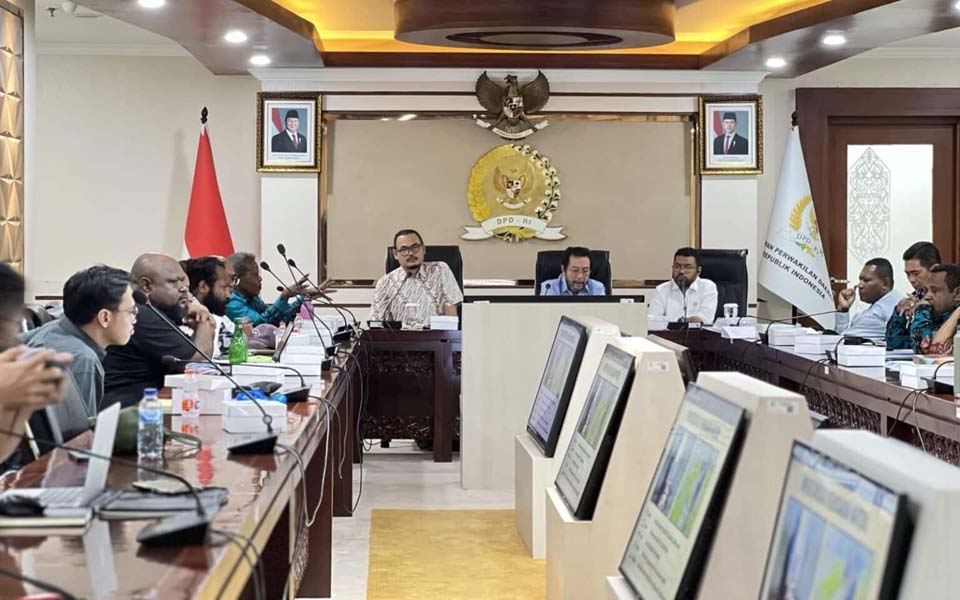
Earlier on February 9, Papua Solidarity House held an audience with the DPD at the parliamentary building in Jakarta. The two parties discussed the security approach that has given rise to armed conflict in Papua and its impact on alleged violations of human rights for civil society.
This included the problem of refugees in Papua due to the armed conflict, the problem of violations of the rights of indigenous peoples due to the development of PSNs, law enforcement and human rights in Papua, as well as various other problems.
The meeting with the leadership and members of the DPD from Papua resulted in several recommendations that were issued in accordance with the matters discussed.
First, the recommendations on the issue of the armed conflict, which has been conveyed to the government, namely establishing Papua as a non-international armed conflict zone (KBNI) based on international humanitarian law so that the parties to the conflict are obliged to comply with international humanitarian Law (IHL).
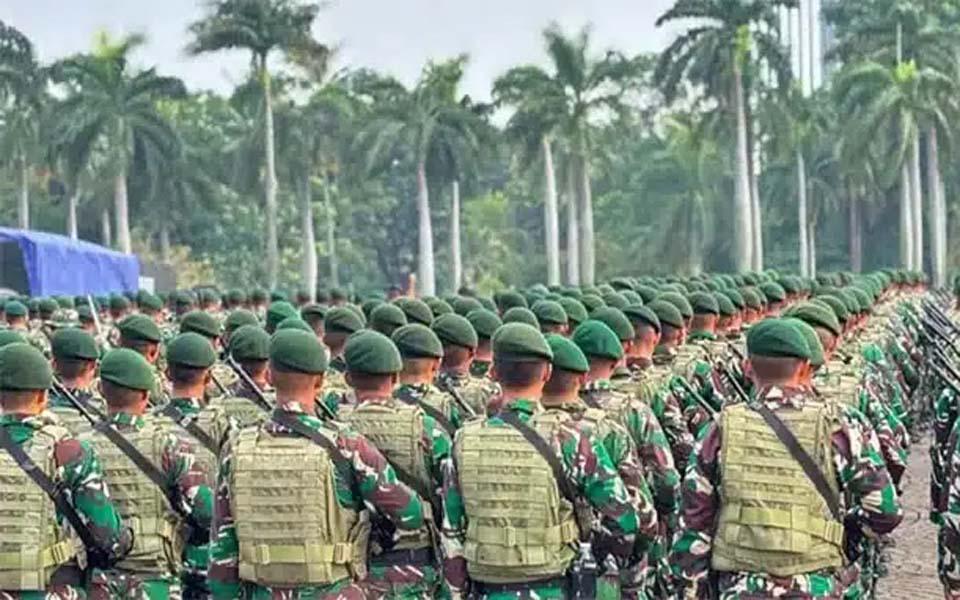
Second, reorganising all TNI military operations based on IHL and Law Number 3/2025 on Amendments to Law Number 34/2004 on the TNI, and issuing a presidential decree or Keppres on operations other that war (OMSP) to prevent the escalation of armed conflict and threats to the safety of civilians, by using a legal approach to political dynamics throughout Papua to avoid casualties and trauma to civil society in Papua.
Related to the issue of refugees resulting from the armed conflict, there were three points, namely asking the central government and the West Papua National Liberation Army (TPNPB) to comply with international humanitarian law by opening humanitarian corridors for domestic and international humanitarian institutions, especially the International Committee of the Red Cross (ICRC), to carry out emergency response and recovery actions for handling refugees in Papua, those in Papua New Guinea, internally displaced persons, victims of the armed conflict and other affected residents throughout Papua;
Asking the central government to support the government in Papua in restoring public service facilities and human resources, and protecting education and health personnel in post-conflict areas.
And inviting ministries and institutions related to handling refugees to hold a working meeting with the DPD on dealing with internal ally displace people in Papua.
Recommendations relating to the issue of indigenous peoples in Papua included asking the government to halt PSNs in Papua and respect state legal instruments that protect the existence of indigenous peoples, property rights, welfare, safety and the involvement of indigenous Papuan communities in development planning, implementation and evaluation.
Asking the central government to commit to protecting the rights of Papua's indigenous communities as regulated under Article 43 of Law Number 2/2021.
In relation to law enforcement and human rights, three points were conveyed, namely asking law enforcement officials to ensure an effective law enforcement process through human rights courts in the general justice environment for cases of violence against civilians, including violence against human rights defenders.
Asking that the central government, especially the Ministry of Human Rights, immediately form a Human Rights Commission and a Human Rights Court based in Papua, to investigate violence and human rights violations in Papua in accordance with article 45 of Law Number 2/2021.
Encouraging the Indonesian leadership on the UN Human Rights Council to invite and open Papua to visits by reporters on the human rights situation in Papua, in order to verify the status of the KBNI and its impact on civilians in Papua.
- Civil Society Coalition reports continued rights violations in Papua to DPD. CNN Indonesia – February 9, 2026
[Translated by James Balowski. The original title of the article was "Rumah Solidaritas Papua Nyatakan Sikap Terhadap Situasi Di Tanah Papua".]