


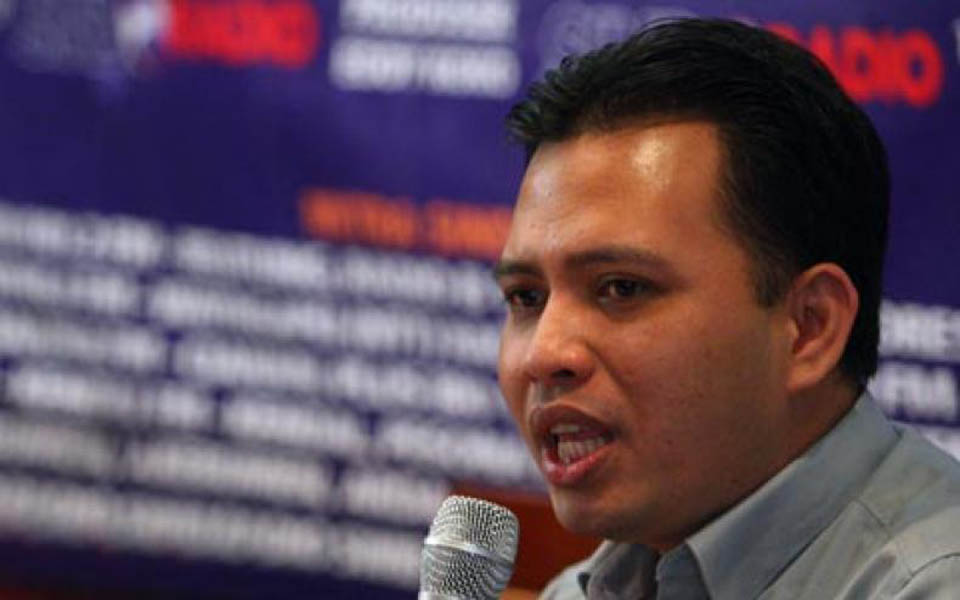
Jakarta – Conflicts between the Indonesian military (TNI) and the people shows that internal reform within military as an institution is not fully complete. The security approach, like the era of Suharto’s New Order regime, is still being used by the TNI, particularly when confronted by problems.
Documents containing the term 'Suharto'
Displaying 561-580 of 781 documents

News/Indonesia
Kompas – April 24, 2011
Hendra A Setyawan, Jakarta – The discourse on the simplification of political parties such as by increasing the parliamentary threshold (the minimum number of votes required to obtain a seat in the national parliament) is the principle challenge facing new political parties seeking to get into the parliament through the 2014 general elections.
News/Indonesia
Kompas – April 6, 2011
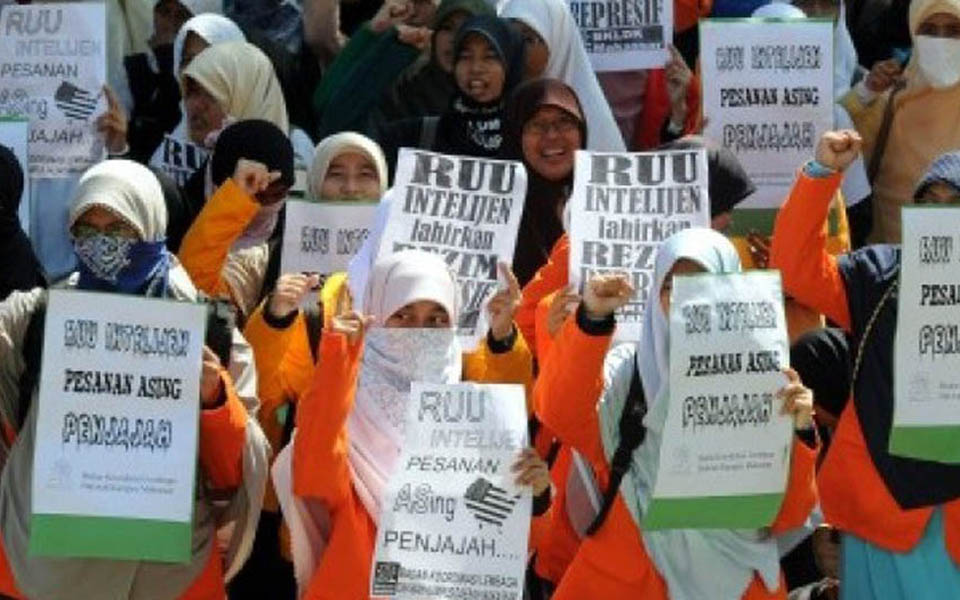
Jakarta – The deliberations on the Draft State Intelligence Law cannot be separated from the historical context of the role of intelligence agencies in past cases of human rights violations.
News/Indonesia
Kompas – January 22, 2011
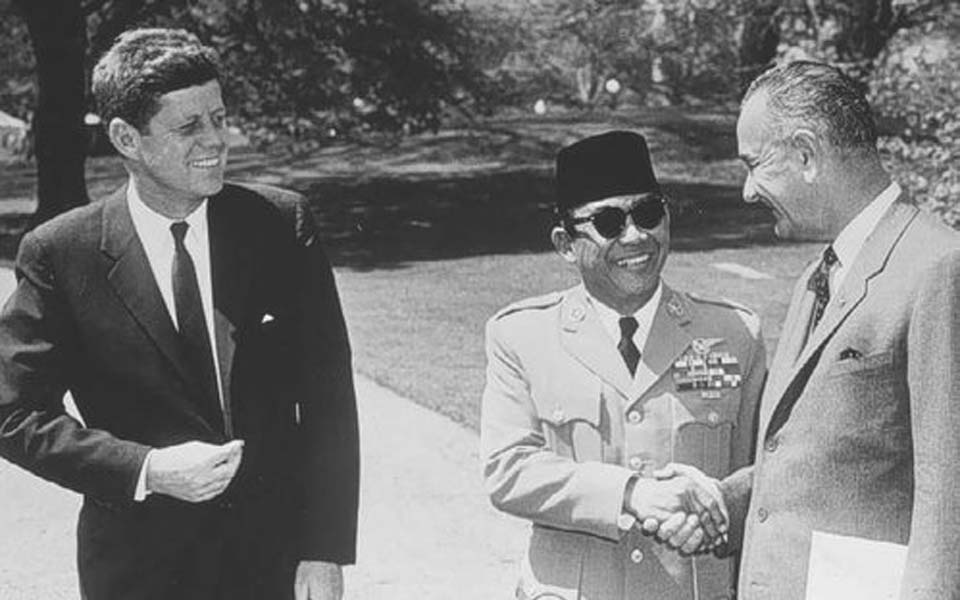
Jakarta – The US Central Intelligence Agency very much dominated the initial consolidation of the New Order regime of former President Suharto. US international relations historian from Princeton University, Bradley R Simpson, says that the succession of laws enacted by President Suharto was drafted with strong influence from the US.
News/Indonesia
Kompas – November 10, 2010
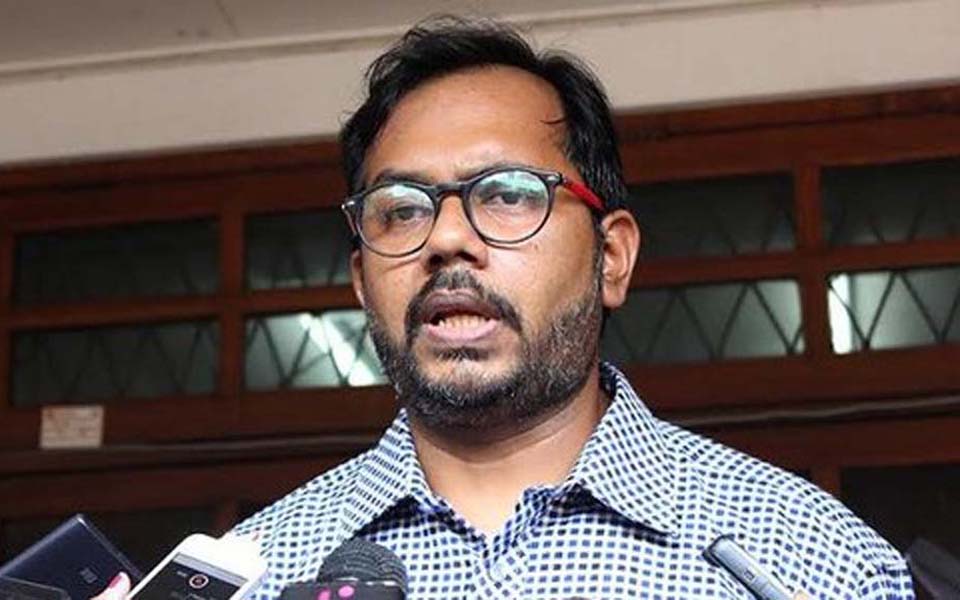
Jakarta – On Tuesday November 9 activists from the National Human Rights Commission (Komnas HAM) and other organisations working against violence and crimes against humanity visited the Coordinating Ministry of Political, Legal and Security Affairs (Kemko Polhukam) on Jl. Medan Merdeka Barat, Central Jakarta.
Cartoons/Indonesia
Kompas – August 14, 2010
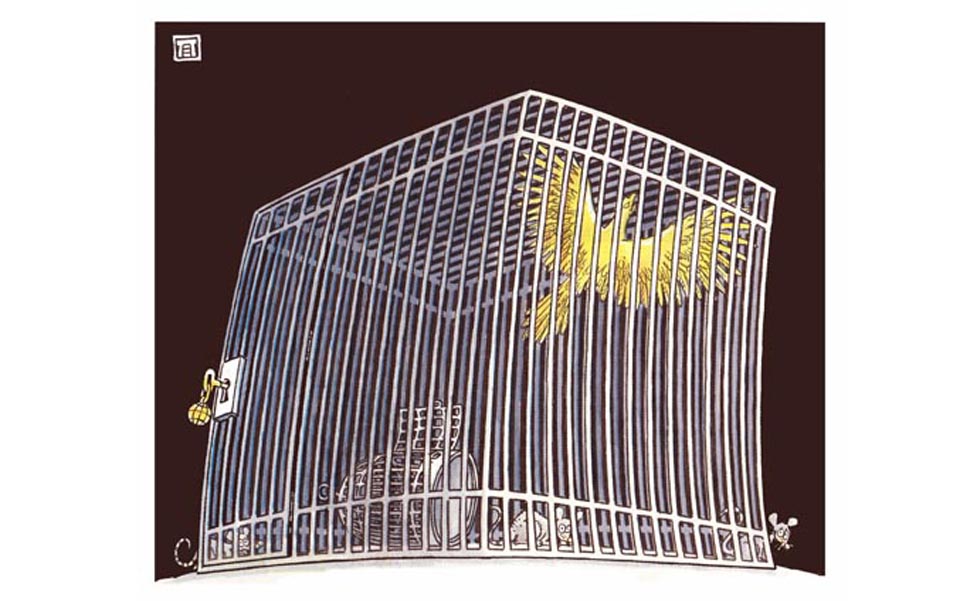
Despite making remarkable strides since the overthrow of the Suharto dictatorship 12 years ago, critics say that widespread corruption, poor law enforcement, a culture of impunity for rights abuses and the growing use of draconian libel laws to muzzle critics is undermining the gains won by the 1998 reformasi movement.
News/Indonesia
Kompas – June 28, 2010
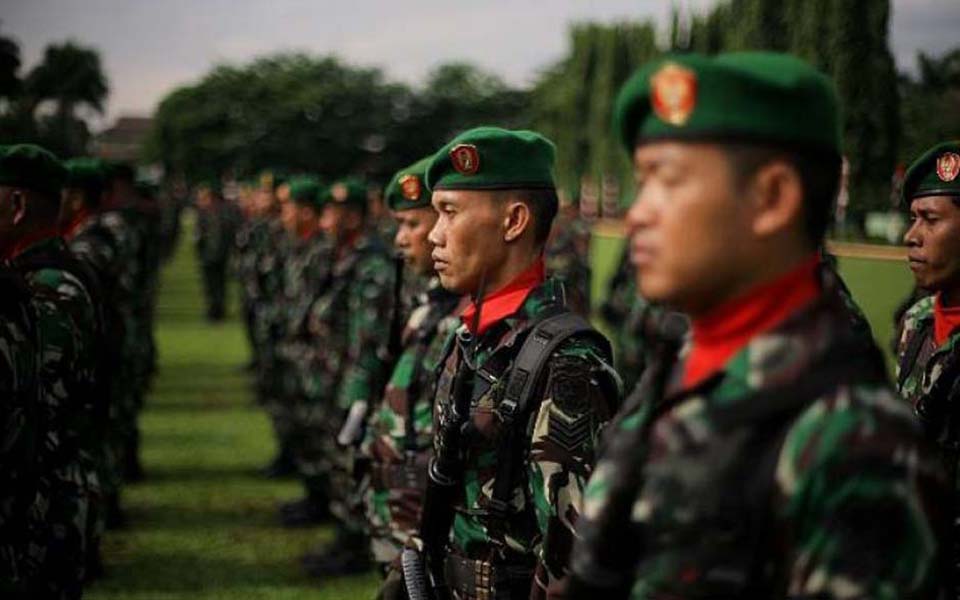
Toto Suryaningtyas – Efforts by certain politicians to pull the military back into the political arena has tended to receive little public agreement. This disagreement however has in fact been expressed at time when the public’s sense of satisfaction with the performance of the Indonesian military (TNI) has improved.

Statements/Indonesia
Joint Statement – June 3, 2010
Stop the slaughter of the Palestine people
Fight Zionism and Israel’s political apartheid
Justice and freedom for Palestine now!
Israel’s attack on a convey of six ships transporting humanitarian assistance for Gaza, the Freedom Flotilla, in international waters, resulted in the death and injury of civil
News/Indonesia
KRjogja.com – May 21, 2010
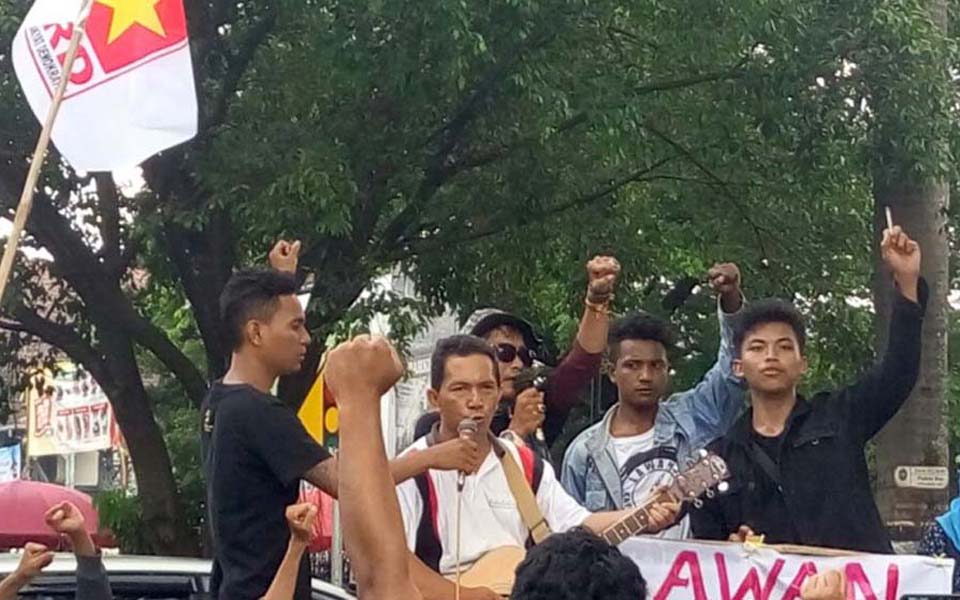
Yogyakarta – Activists from the United People’s Movement (GRB) in the Central Java city of Yogyakarta held a protest action by placing flowers on a grave at the zero kilometer point near the Yogyakarta central post office on Friday May 21.
Statements/Indonesia
KPRM-PRD – May 21, 2010
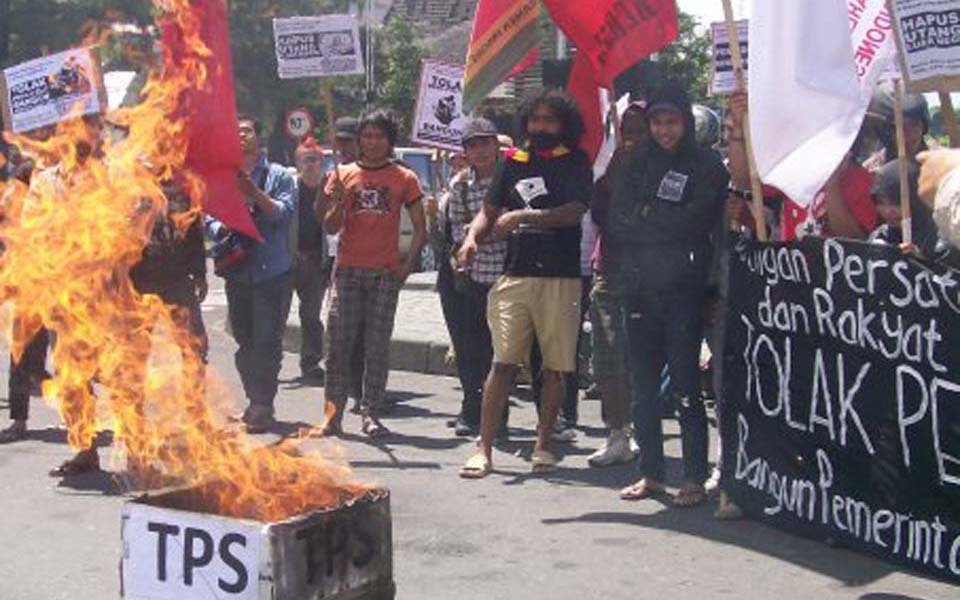
Let us unite to overthrow the pro-imperialist government of SBY-Boediono and the rotten political elite. Replace them with a United Government of the Poor!
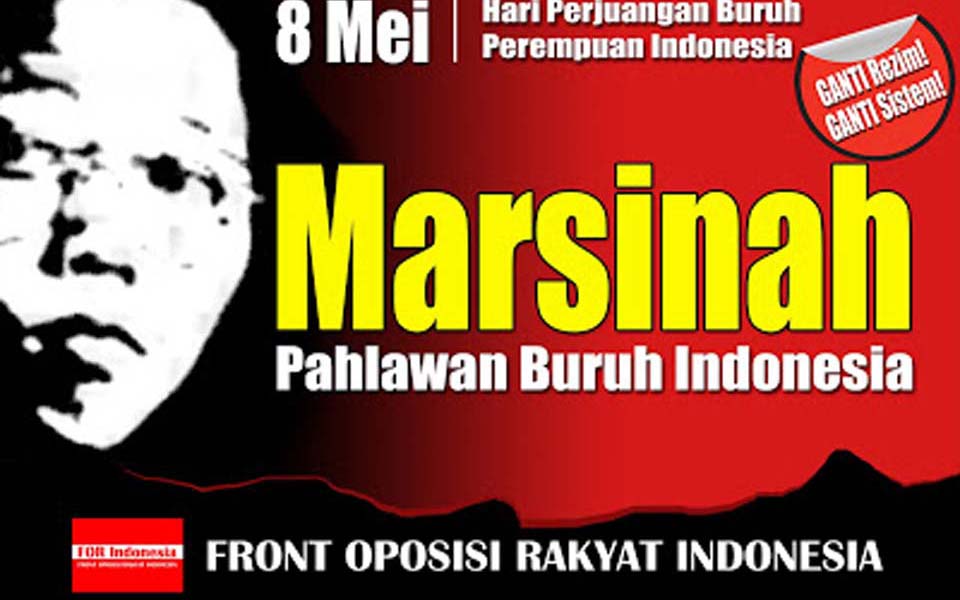
Statements/Indonesia
Perempuan Mahardhika – May 8, 2010
Disband the TNI’s territorial command
Liberate Indonesia from capitalism
Arrest and try Marsinah’s killers
Marsinah was a woman worker who was militant and courageous.
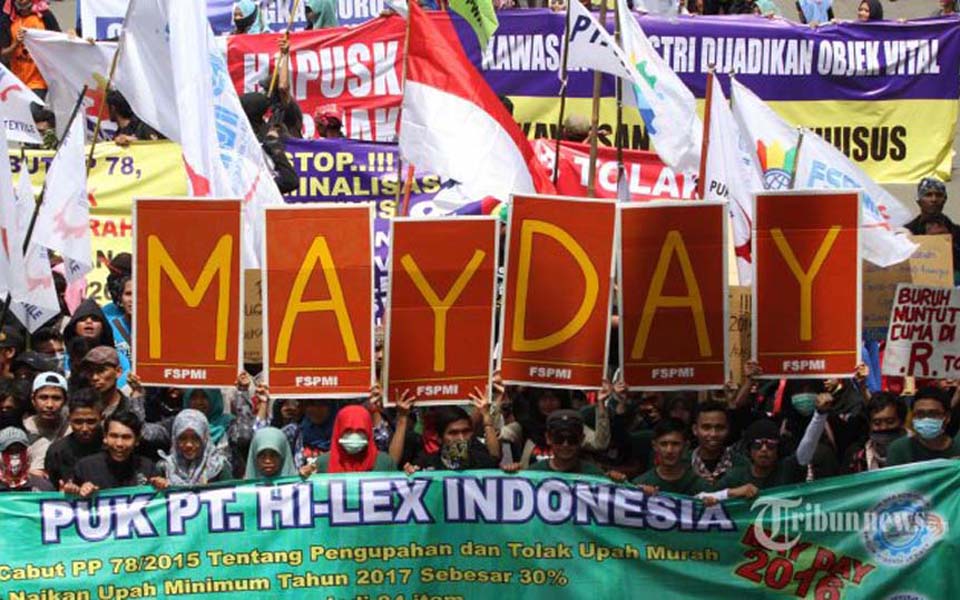
News/Indonesia
Kompas – May 3, 2010
Anung Wendyartaka – To this day there has yet to be any visible sign of a breakthrough in the improvement of workers’ standard of living. On the one hand, the basic rights possessed by the working class are still felt to be inadequate and on the other, workers themselves appear to fail to appreciate their existence.
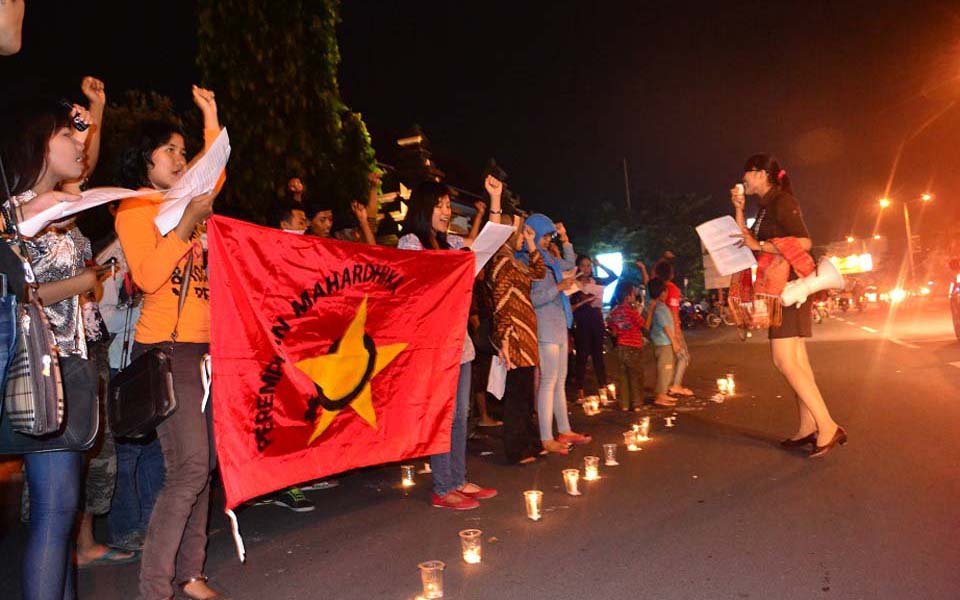
Statements/Indonesia
Perempuan Mahardhika – March 24, 2010
Allow the ILGA conference in Surabaya to go ahead
Fight all forms of discrimination against lesbian, gay, bisexual and transgender people
Recognise the rights of lesbian, gay, bisexual and transgender people to obtain education, healthcare, gainful employment, to organise and to live without fear
Provide prod
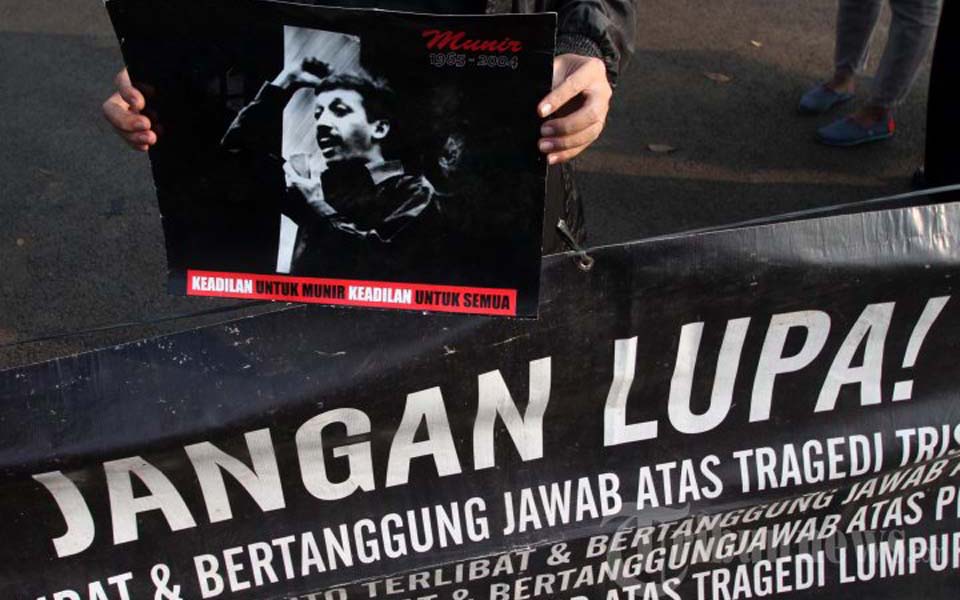
News/Indonesia
Kompas – March 20, 2010
It’s Thursday afternoon, March 18, and dozens of family members of victims of human rights violations are holding another “Kamisan” (Thursday Action), a silent protest in which they hold black umbrellas with the names of human rights cases written on them.

Statements/Indonesia
Perempuan Mahardhika – March 8, 2010
Women must leave the home
Fight capitalism, struggle for prosperity and equality
Replace the SBY-Boediono capitalist government
Abandon the rotten political elite
Unite, for a united government of the poor
Women are not just housewives. They are not second class citizens.
News/Indonesia
Kompas – February 27, 2010
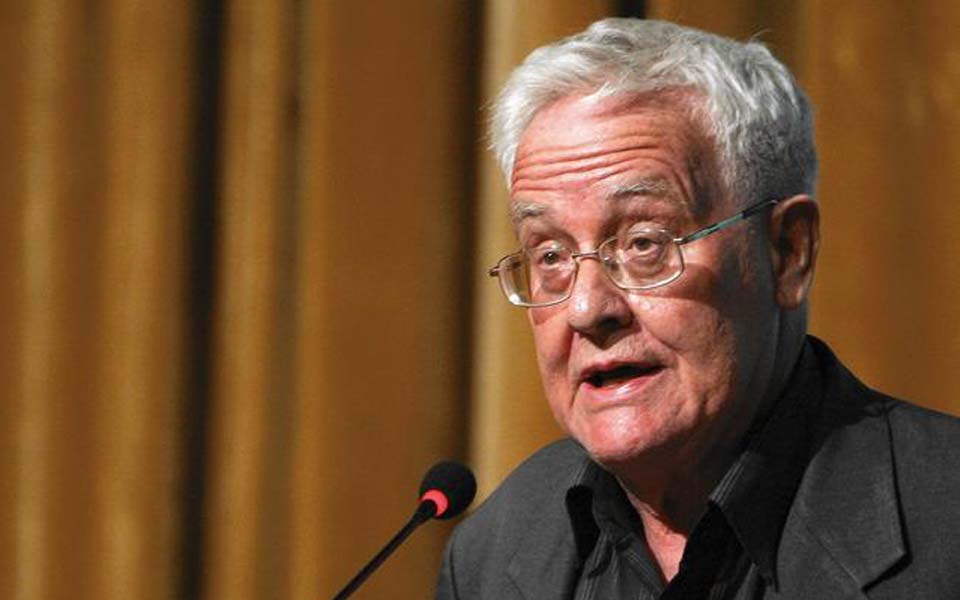
Surabaya – During the colonial era communism flourished in Indonesia. One of the reasons was the behaviour of the native elite (elite bumiputra) who failed to defend the ordinary people. This however is unlikely to be repeated now.
Statements/Indonesia
APSN – January 23, 2010
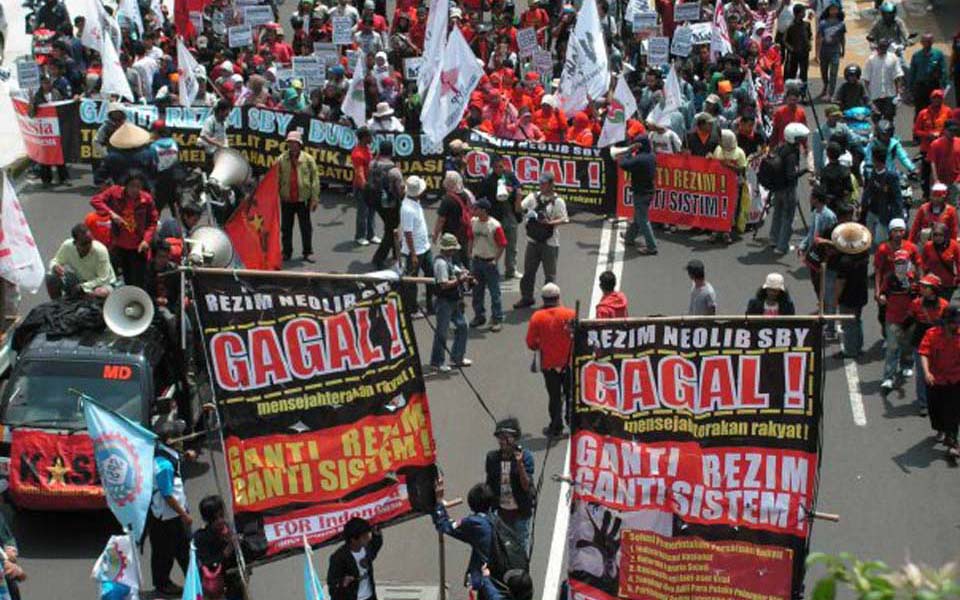
A new alliance or united front organization was formed in January in Indonesia to fight the current neo-liberal policies of the Indonesian government. Its leaflet calling for a January 28 protest action lists 17 organisations.
News/Indonesia
Detik.com – January 9-11, 2010
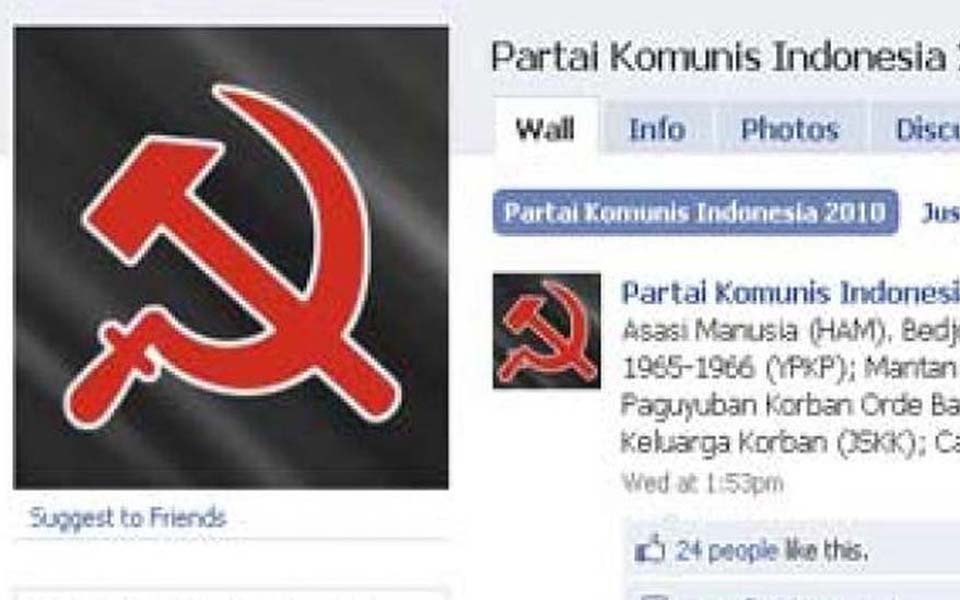
Wicak Hidayat, Jakarta – The Indonesian Communist Party (PKI), an organisation banned in Indonesia, has again resurfaced. This time on Facebook.
News/West Papua
Kompas – January 4, 2010
Wisdom cannot be measured by how long one has lived...

News/East Timor
Detik.com – December 2, 2009
Irwan Nugroho, Jakarta – The Indonesian Film Society (MFI) believes that the banning of a film about the deaths of five Australian journalists in East Timor or the Balibo Five makes no sense, saying it was surprised over why the government is so afraid of the film being seen by the Indonesian public.