

Josi: Waduhhh, how come it keeps going down?!
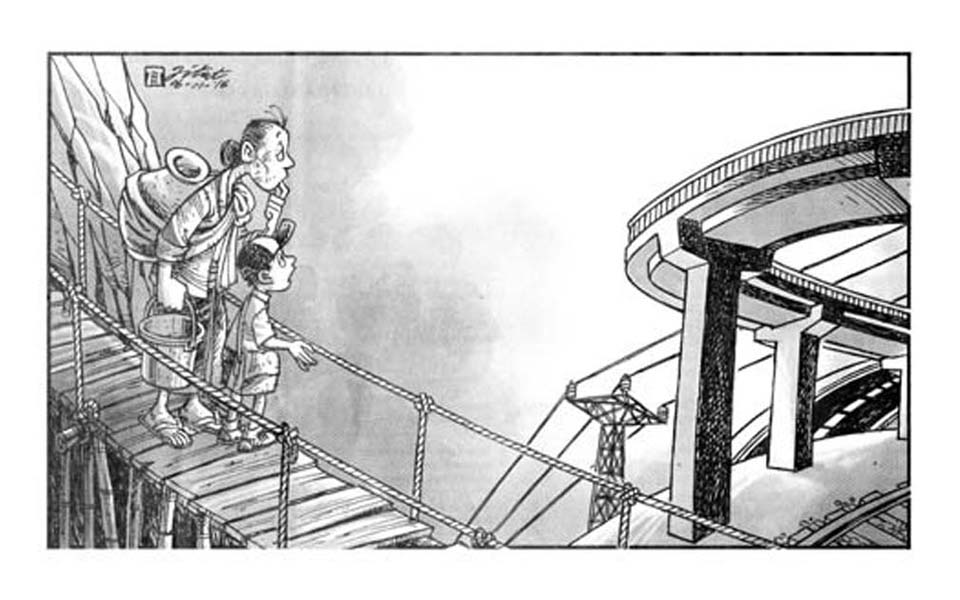
Indonesian President Prabowo Subianto has been widely ridiculed over remarks made during a speech in Nganjuk, East Java, in which he said that the decline in the rupiah's exchange rate does not directly affect rural communities.
Prabowo, who said that many believe the economy is in danger due to the weakening rupiah, added that rural communities don't use foreign currency in their daily lives. "The rupiah is like this, the dollar is like that. People in the villages don't use dollars, right?", he was quoted as saying by Tempo on Saturday May 16.
In Friday morning's trading, the rupiah weakened to 17,600 per US dollar – the lowest it has been since the 1997-1998 Asian monetary crisis.
Finance Minister Purbaya Yudhi Sadewa was quick to defend Prabowo's remarks saying they were meant to engage and entertain the public, emphasising that this does not mean the president fails to understand the rupiah and that the statement only gained traction because it was amplified by the press.
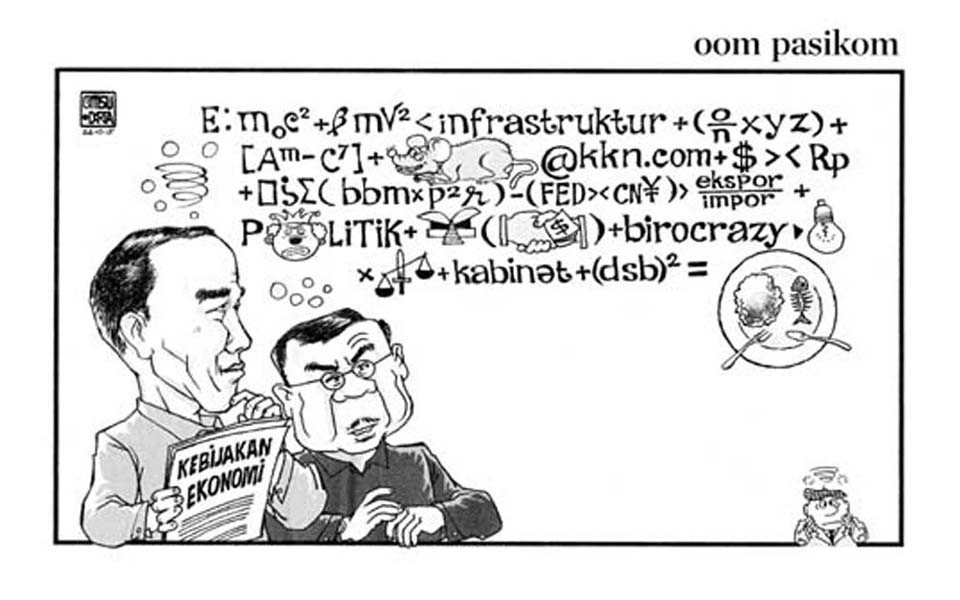
When asked about how the exchange rate would flow on to higher costs for farmers, Sadewa suggested that technical economic jargon holds little relevance for rural communities. "Do they understand imported inflation? How much would they understand if it were explained to them? Theoretically, imported inflation is not overly significant [in that setting]", he told Tempo.
The University of Indonesia Student Executive Board (BEM UI) however said that the government is misleading the public.
"To the President and the Finance Minister, stop misleading the public. The people are not as ignorant as leaders who choose to ignore the real conditions on the ground", said BEM UI Chairperson Yatalathof Ma'shum Imawan said in a statement.
Imawan said he was surprised by the presidents failure to understand the effects of a stronger dollar on rural communities noting that a weaker rupiah increases the cost of imported goods and commodities, including fertiliser, and also pushes up fuel prices, which increase the cost of living for workers and ordinary families.
Imawan also criticised Sadewa for constantly expressing optimism about the economic outlook, calling the government's narrative disconnected from reality. "The public feels the impact directly, unlike officials who do not have to worry about tomorrow's living costs", said Imawan.
Teuku Riefky, an economist at UI's Institute for Economic and Social Research, said the currency weakness shows the government's fiscal room is narrowing as higher global oil prices push up fuel subsidy costs while tax revenues remain low.
"The fiscal issue lies in the shrinking fiscal space caused by rising fuel subsidy burdens amid higher oil prices and weak tax revenues", Riefky told the Jakarta Globe.
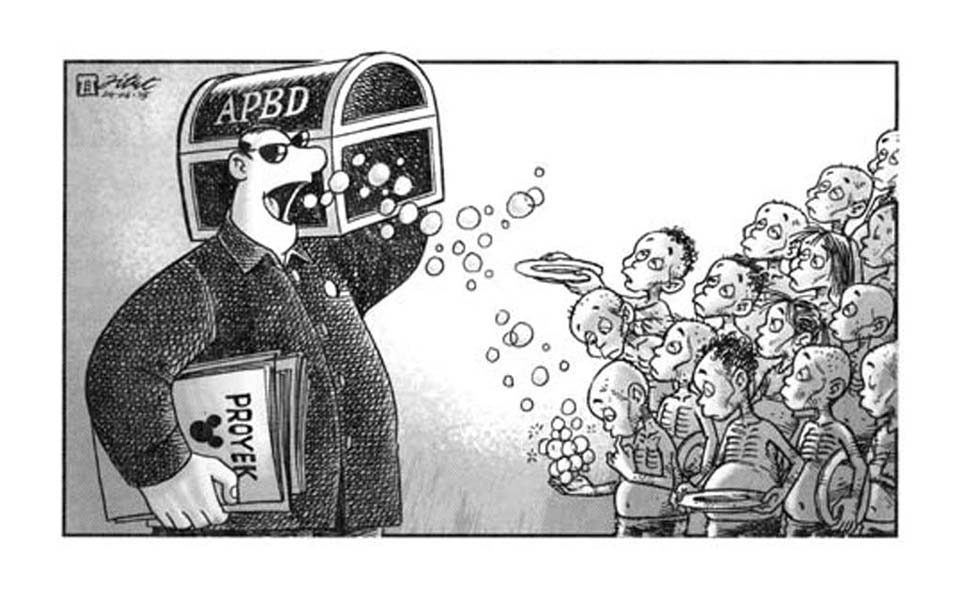
He said fiscal pressures are intensifying as the government ramps up spending for Prabowo's flagship programs such as the Free Nutritious Meals (MBG) program for school children and the Red and White Village Cooperatives (KDMP).
He said the budget allocation for the MBG and KDMP programs should be reviewed so the budget can be redirected toward productive sectors with more direct impact on public welfare and economic growth.
Beyond fiscal risks, Riefky also pointed to structural issues that have weighed on investor confidence in Indonesia's economy. He said frequent policy shifts by the government have created uncertainty in the market and pressured sentiment toward domestic assets, including the rupiah.