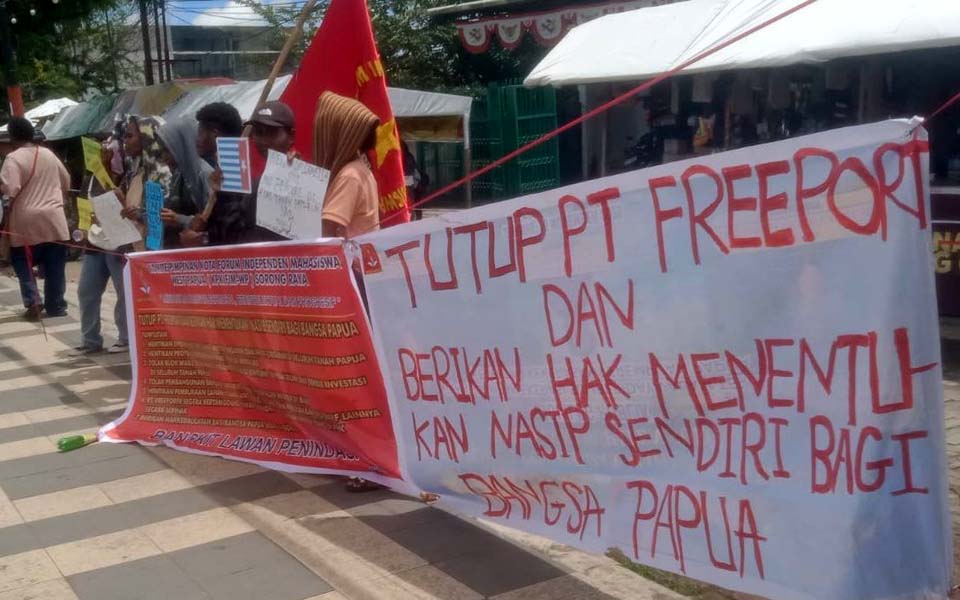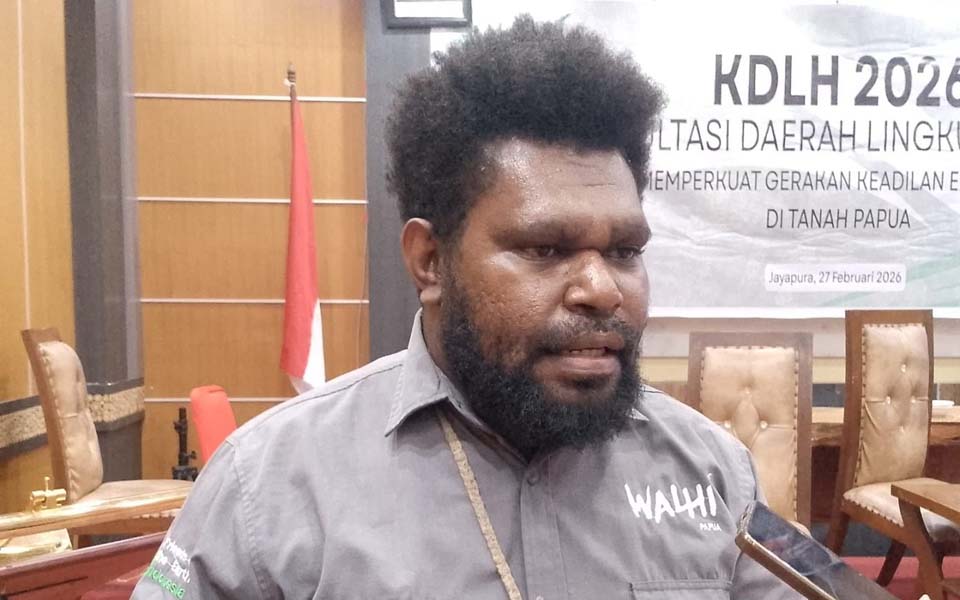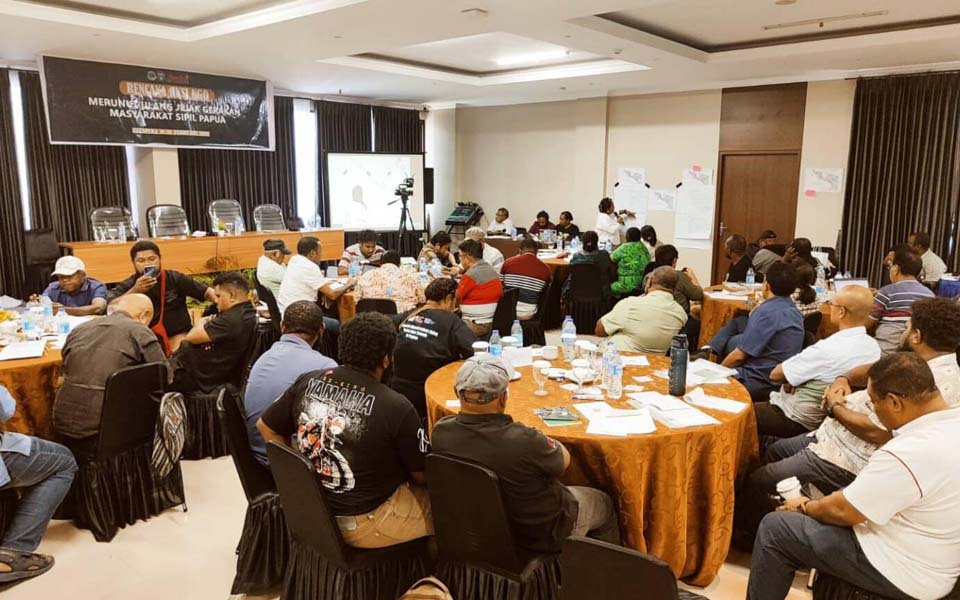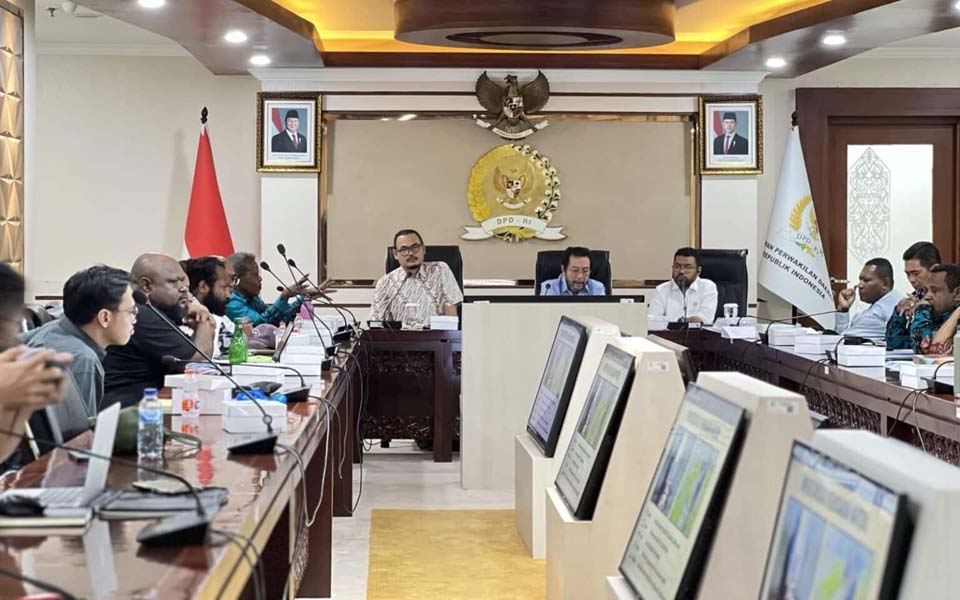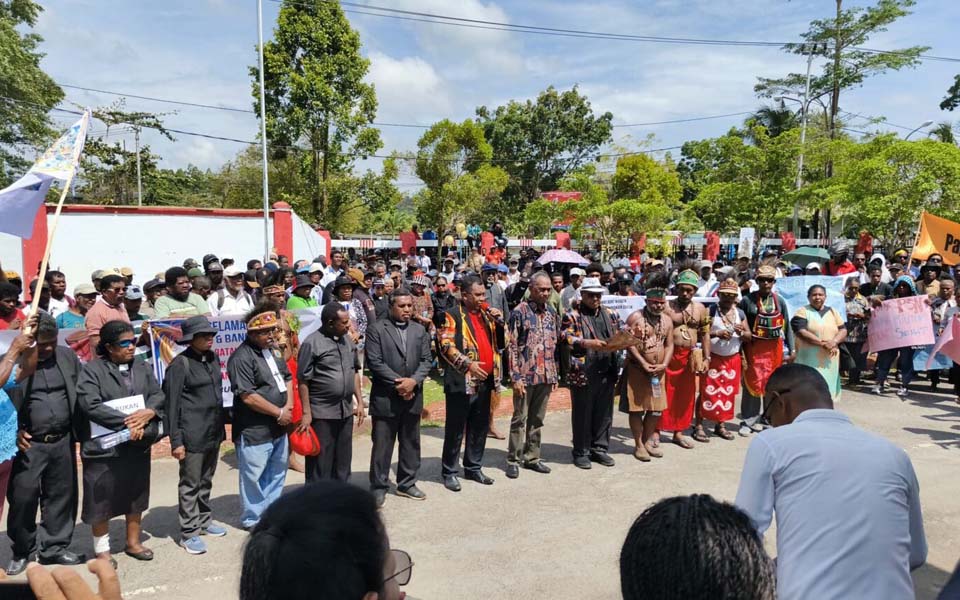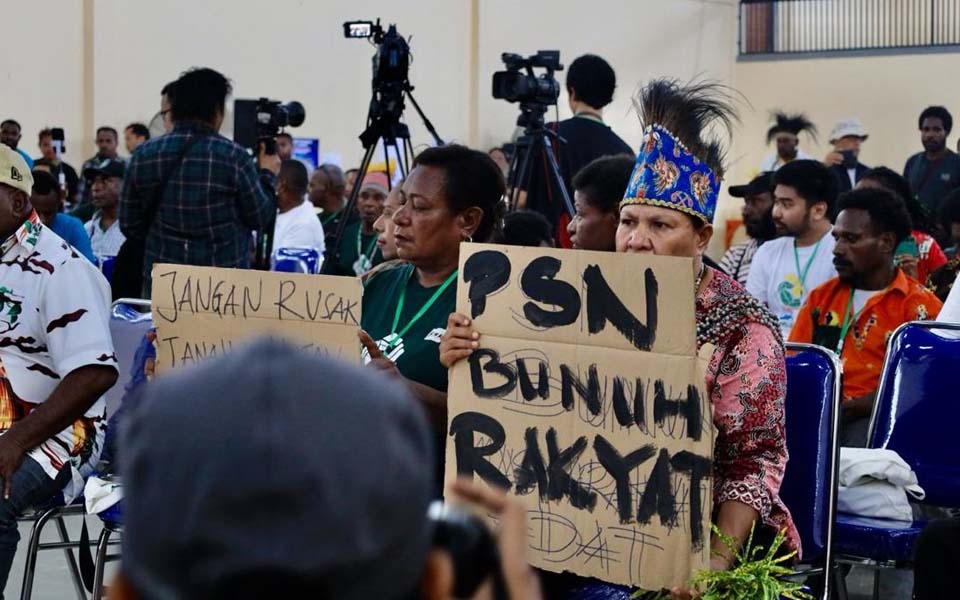


Erick Tanjung – President Prabowo Subianto's plan to plant more oil palms in Papua for energy self-sufficiency has drawn strong criticism from environmental activists. They believe this policy ignores the lessons learned from the ecological disaster in Sumatra and has the potential to cause similar damage in Papua.
This controversial statement was made by the president during a briefing to regional heads from across Papua at the State Palace in Jakarta on December 16.
"Papua must be planted with oil palms for fuel, sugar cane, and cassava for ethanol", Prabowo asserted at the time.
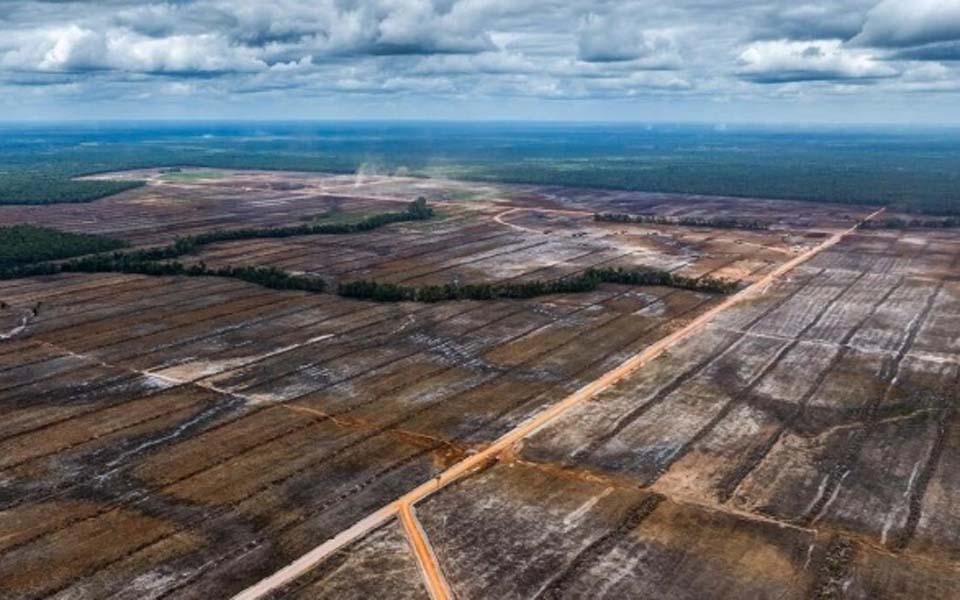
Activists however warn that massive deforestation caused by oil palm plantations was the primary cause of the disaster in Sumatra, which has killed 1,030 people and caused trillions of rupiah in economic losses.
Colonial approach, neglect of indigenous rights
Greenpeace Indonesia Forest Campaigner Asep Komarudin called Prabowo's plan an ambitious one that would sacrifice millions of hectares of Papua's natural forests.
"Prabowo also ignores the existence of indigenous communities as the holders of sovereignty over the land of Papua", asserted Komarudin in a press release on Wednesday December 17.
The statement "Papua must be planted" is seen as reflecting a top-down approach that negates the rights of indigenous communities and positions Papua as simply an object of national policy.
"This contains a colonial logic, as if Papua is an empty space waiting to be filled by state projects", he said.
Existing projects already causing problems
The People's Earth Heritage Foundation (Pusaka) has identified 94 palm oil companies in Papua with a total concession area of 1.3 million hectares.
In Merauke, a food self-sufficiency project that has been running for almost two years has destroyed more than 22,680 hectares of natural forest and triggered social conflicts and flooding.
Pusaka Advocacy Officer Tigor Hutapea highlighted how the project approval process often ignores the principle of free, prior and informed consent (FPIC) which is seen as merely a formality.
"Papuan indigenous people are positioned as obstacles, not the rightful owners of the land and forests", Hutapea asserted.
False solution to the climate crisis
Greenpeace said the claim that palm oil-based bio-energy is the solution to the climate crisis a "policy illusion". Their research shows that palm oil expansion is actually the main cause of deforestation and increased carbon emissions.
"If all the emissions from land-use change are calculated, palm oil-based bio-energy actually worsens the climate crisis", explained Komarudin.
In response, the Civil Society Coalition is demanding that President Prabowo retract his statement, halt extractive industry projects that are destroying Papua's forests and immediately declare a national disaster for Sumatra so that assisting the victims can proceed optimally.
[Translated by James Balowski. The original title of the article was "Rencana Sawit di Papua Dikritik, Prabowo Dinilai Siapkan Bencana Ekologis Baru".]