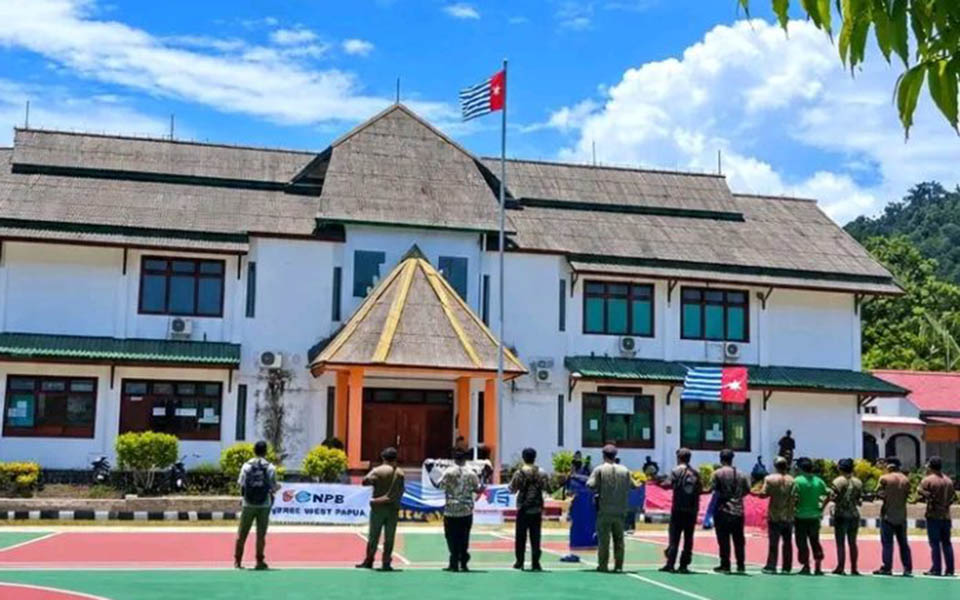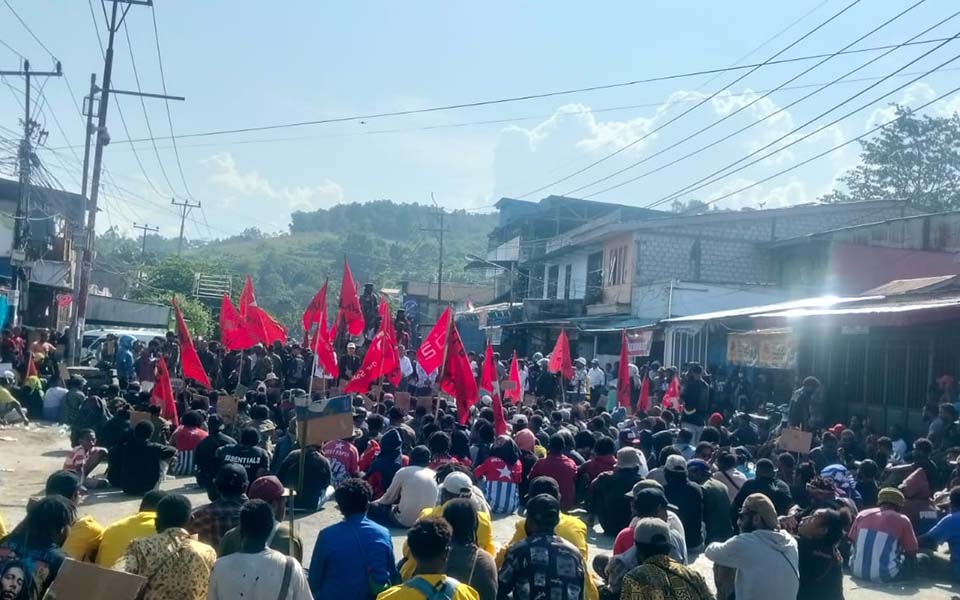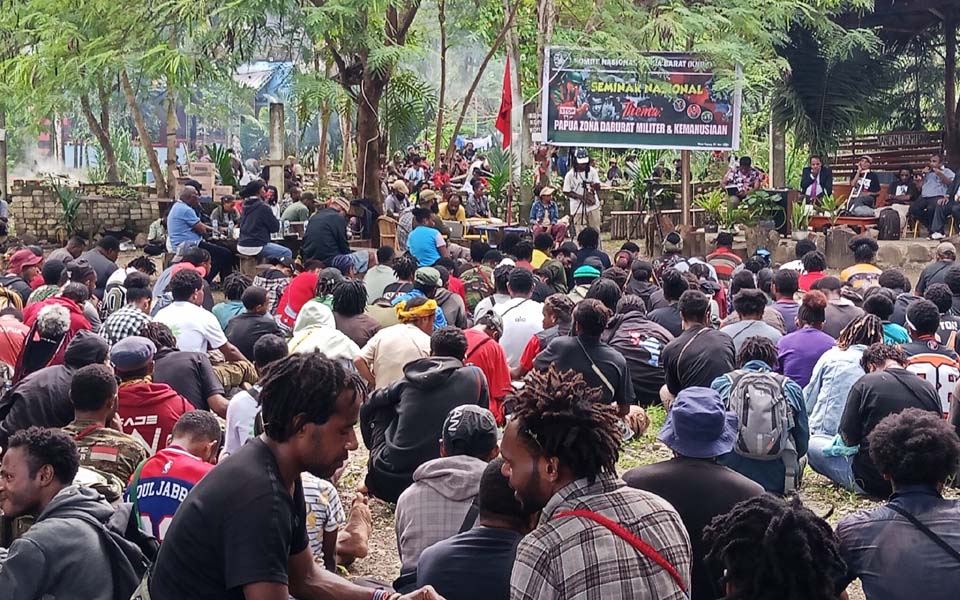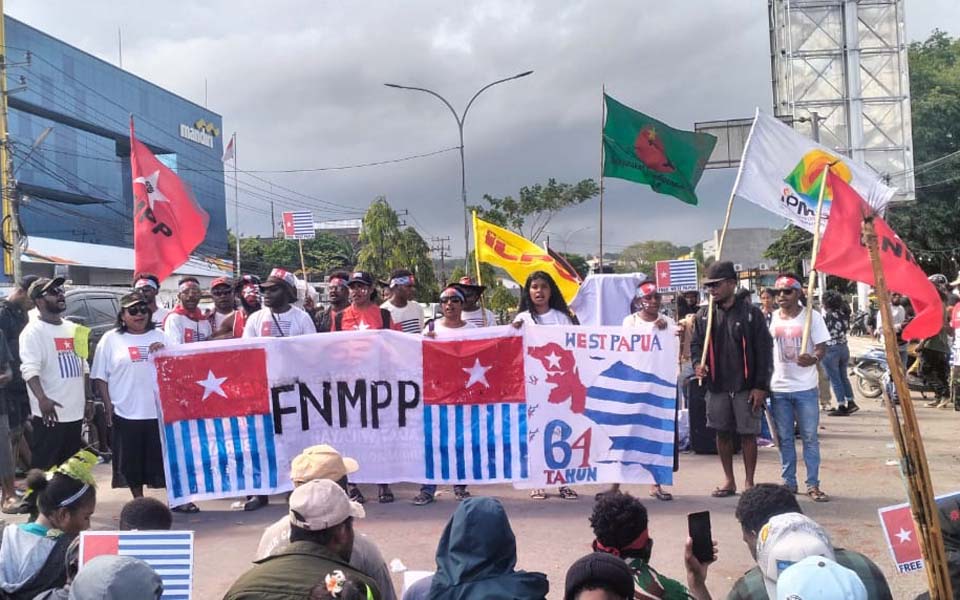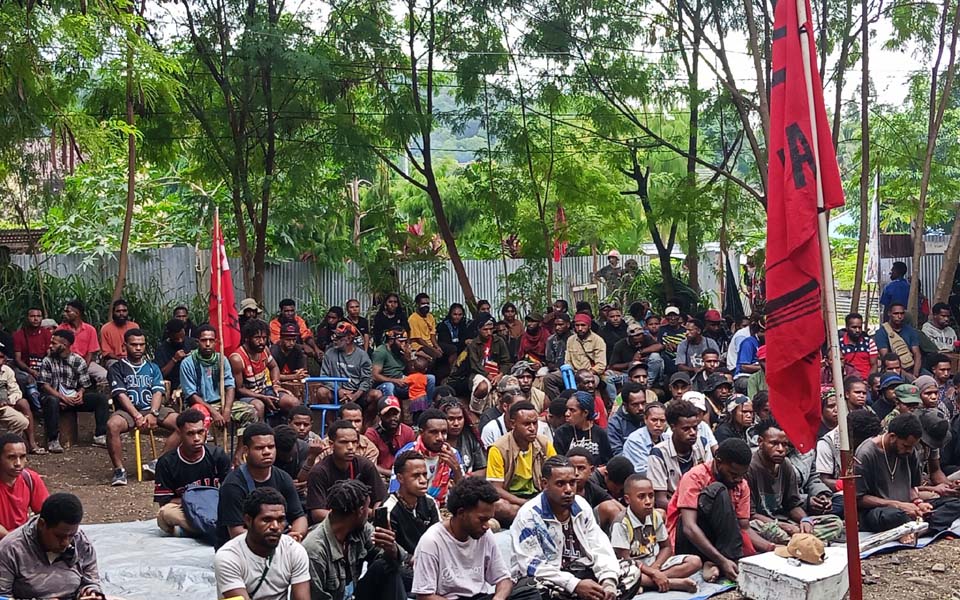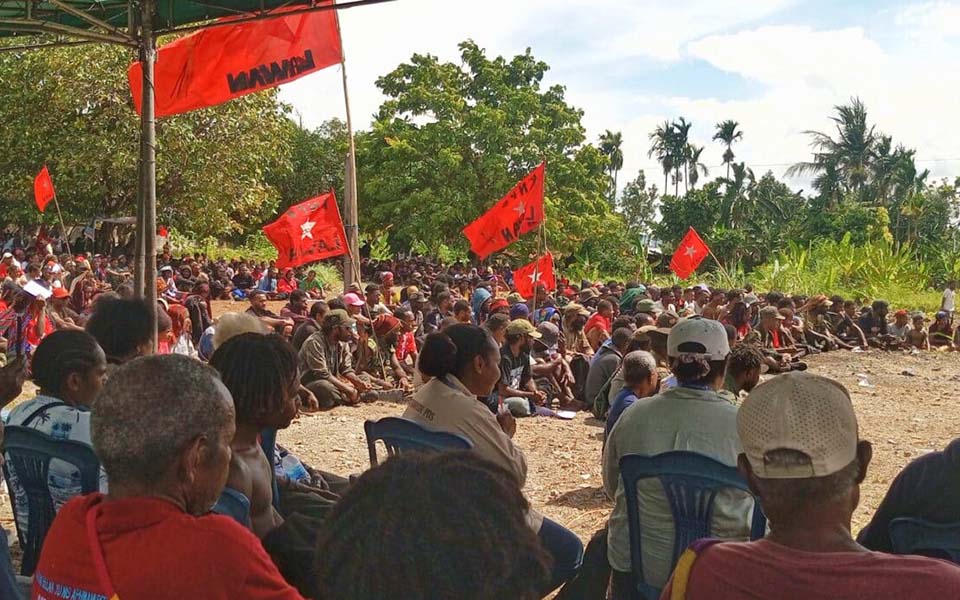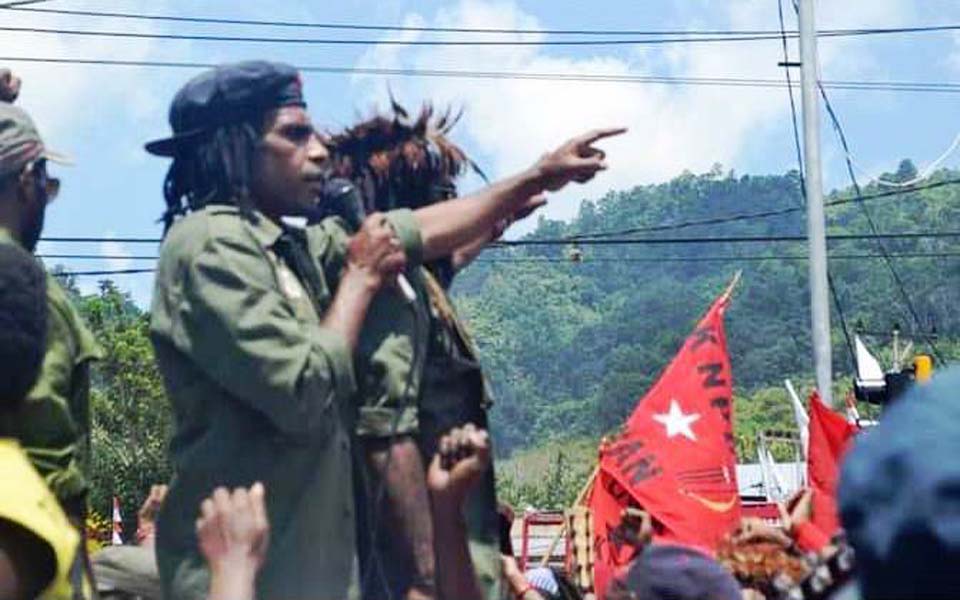


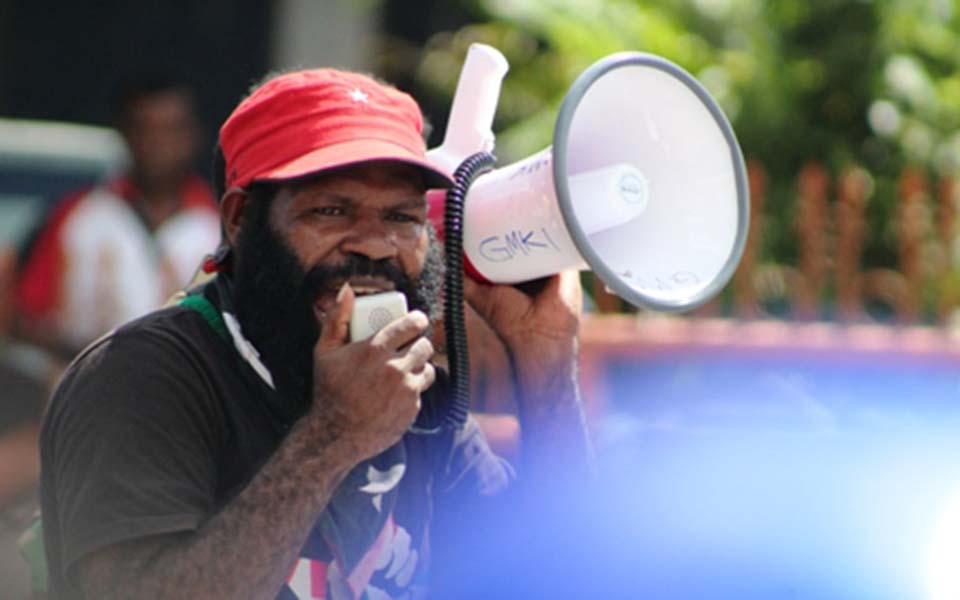
Reiner Brabar, Jayapura – The West Papua National Committee (KNPB) Central Executive Board has declared that Papua is in a situation that they term a military and humanitarian emergency. The KNPB is pushing for a review of political agreements in 1962 and the right to self-determination for the people of West Papua.
The KNPB issued this statement to mark the 64th anniversary of the Rome Agreement, which is linked to the New York Agreement of August 15, 1962.
The KNPB believes that the political process determining Papua's status at that time took place without the direct involvement of representatives of the Papuan people. According to the group, this situation remains a fundamental issue in Papua's political history to this day.
The statement, which as signed by KNPB Chairperson Agus Kossay, they also questioned the implementation of the 1969 Act of Free Choice (Pepera). They believe that the mechanism that was used failed to uphold the principle of "one person, one vote".
The KNPB noted that out of the hundreds of thousands of Papuans who in their view held political rights, only a small fraction participated in the Pepera process. They believe that the process unfolded amidst pressure and security operations.
Official UN records on the Act of Free Choice show that the process involved 1,026 members of representative councils or consultative assemblies who cast votes on behalf of the population. The outcome was subsequently recorded in UN General Assembly Resolution 2504 (XXIV) on November 19, 1969.
However, the KNPB questioned the legitimacy of the process, describing Pepera as undemocratic. The organisation also linked the event to allegations of intimidation, violence and human rights violations.
These historical issues, according to the KNPB, cannot be separated from the current situation in Papua. They highlighted armed conflict, security operations, civilian displacement, restrictions on democratic space, criminalisation and the exploitation of natural resources.
"Papua is not an empty land", said the KNPB in its statement, while calling for an end to what they termed genocide, ecocide and ethnocide in Papua.
The KNPB also highlighted government policies concerning indigenous Papuans (OAP). They declared their opposition to a discourse on the registration or redefinition of indigenous Papuans, which in their view has the potential ignore the rights of indigenous communities.
Aside political issues, the KNPB also called for the opening of international humanitarian access to Papua. They asked the government to grant access to organisations such as the International Committee of the Red Cross (ICRC) and independent mechanisms of the UN Human Rights Council to directly observe conditions in the conflict zones.
The KNPB also rejected conflict resolution through dialogue that only take place between the Indonesian government and parties handpicked by the government. They asked that negotiations be conducted with the involvement of international mediators.
KNPB demands
In its official statement, the KNPB presented a series of demands to the governments of Indonesia, the Netherlands and the United States, as well as to the UN:
First, the KNPB asked the US and the party they refer to as "Rome" to take responsibility for the suffering of the Papuan people over the past 64 years, which in their view was the impact of the political agreements in 1962.
Second, the KNPB asserted that the New York Agreement and the related Rome agreement formed the basis for Indonesian military operations in Papua from 1961 to the present. They demanded an end to these military operations, which they deem illegal.
Third, the KNPB referred the Indonesian government as one of the actors in the Papua conflict and asked the state take responsibility for alleged human rights violations and open space to resolve the root causes of the conflict through international mechanisms.
Fourth, the KNPB believes that military operations in Papua violate both national law and international humanitarian law. They asked that the parties considered responsible for crimes committed during the Papua conflict be prosecuted through international judicial mechanisms.
Fifth, the KNPB highlighted the issue of internal displacement caused by armed conflict. They noted that 127,031 people have become internally displaced persons (IDPs) and asked the UN, the party referred to as "Rome", and the Melanesian Spearhead Group (MSG) to become involved as mediators in resolving the Papua conflict.
Sixth, the KNPB declared that Papua is not an empty land and called for an end to what they term genocide, ecocide and ethnocide. They also rejected government policies regarding the definition of indigenous Papuans.
Seventh, the KNPB rejected the re-registration of displaced persons and victims of human rights violations currently being conducted by the government through the Indonesian Ministry of Human Rights.
Eighth, the KNPB rejected dialogue which they refer to as the Jakarta version of dialogue. They asked that negotiations on the Papua conflict be conducted with international mediation.
Ninth, the KNPB urged the government to grant access to international humanitarian organisations, including the ICRC, as well as independent experts appointed by the UN Human Rights Council to directly observe the situation in conflict-affected regions of Papua.
Tenth, the KNPB expresses its appreciation to the Melanesian nations within the MSG and the Pacific Islands Forum (PIF) for their support for humanitarian and security issues in Papua, as well as for their advocacy for opening access to international monitors.
Eleventh, the KNPB asked the Netherlands, the US and the UN to review the New York Agreement and the series of 1962 agreements, particularly regarding the right to self-determination. The KNPB also called for a new referendum to be held for the people of West Papua to determine their political future.
[Translated by James Balowski. The original title of the article was "KNPB: Papua Darurat Militer dan Kemanusiaan, Perjanjian 1962 Harus Ditinjau".]