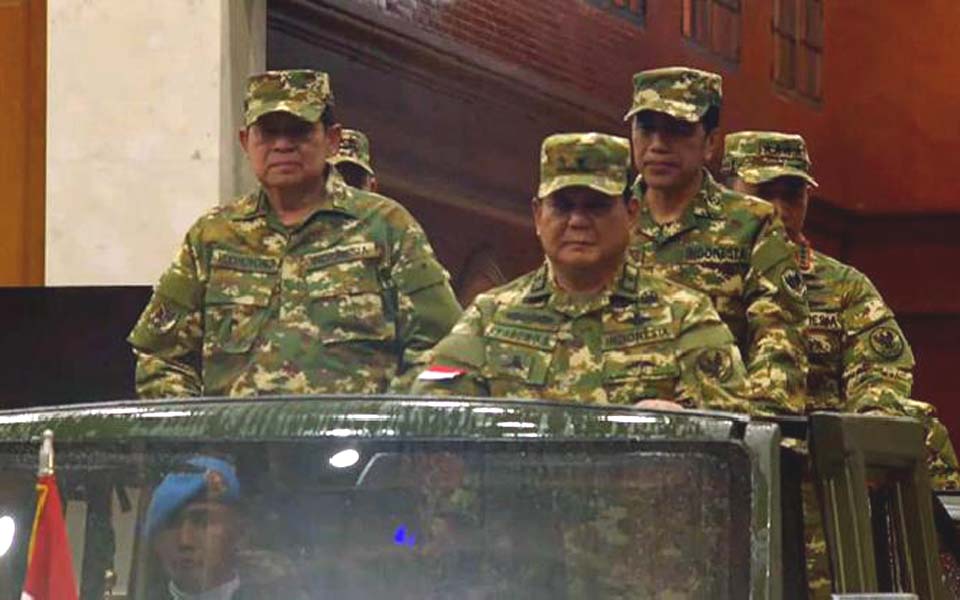


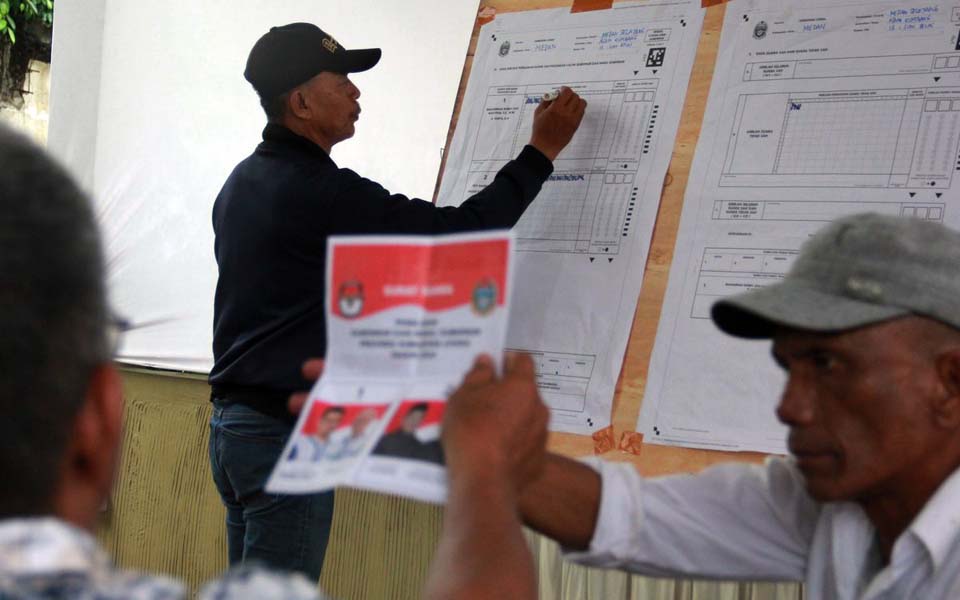
Ardito Ramadhan, Jakarta – The results of a survey by the Denny JA Indonesian Survey Circle (LSI) show that the majority of President Prabowo Subianto's voters in the 2024 presidential election (Pilpres) reject the discourse on the election of regional heads (Pilkada) through Regional Representative Councils (DPRD).
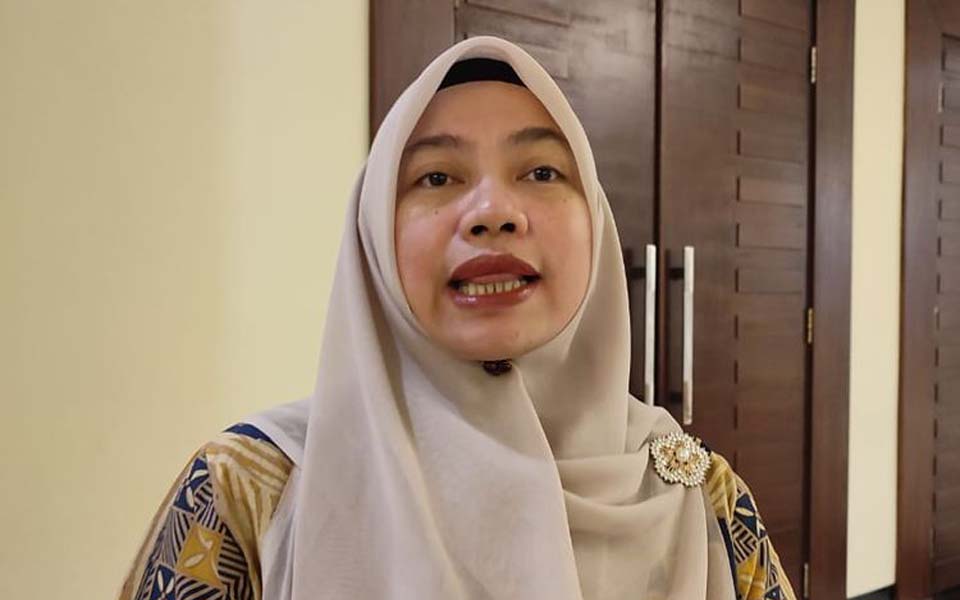
LSI researcher Ardian Sopa said that 67.1 percent of respondents who voted for Prabowo stated that they do not agree or do not disagree at all to the question "Do you agree or disagree with the discourse on indirect regional elections (chosen by the DPRD)?".
Meanwhile, 29.9 percent agreed and three percent didn't answer or didn't know.
"The data collection technique used face-to-face interviews with questionnaires, so it wasn't sampling, or telephone, or social media. But we directly deployed our team of surveyors into the field", said Sopa at the LSI offices in Jakarta on Wednesday January 7 as quoted by the state news agency Antara.
Sopa said that the majority of voters for the other two presidential candidates in the 2024 presidential election also rejected the idea of regional elections through the DPRDs.
The survey showed that 60.9 percent of Anies Baswedan voters reject indirect regional elections, while 77.5 percent of Ganjar Pranowo voters had the same attitude.
"Regardless of which presidential candidate, the majority rejects the election of regional heads through the DPRDs", said Sopa.
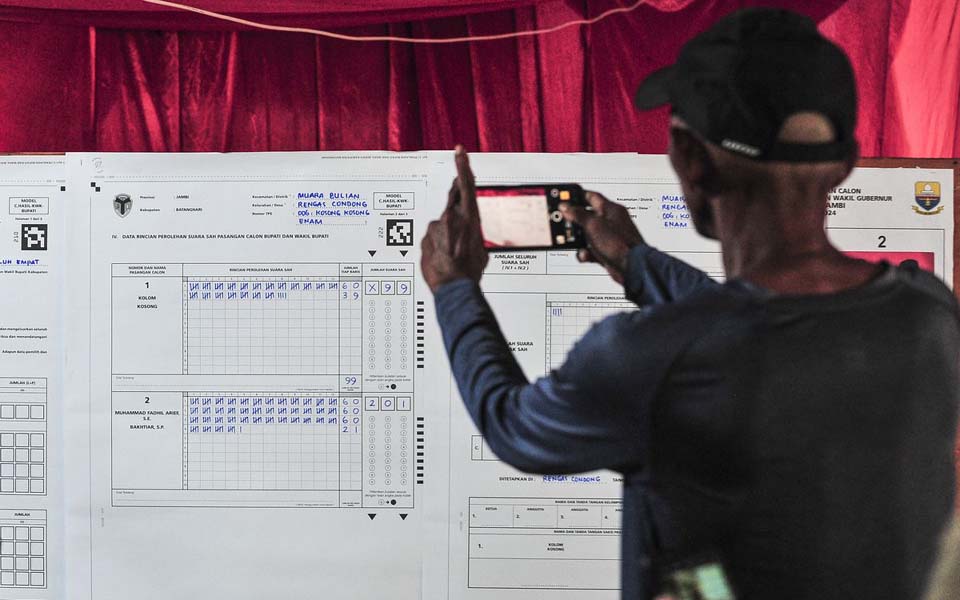
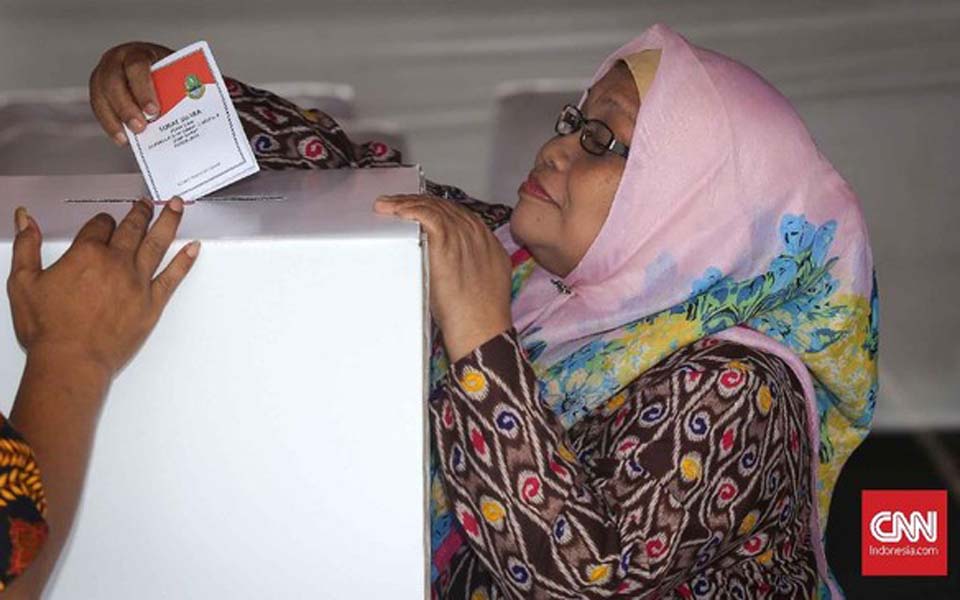
He said that the majority of respondents rejected the idea because since 2005 almost all voters who are active today grow up in a culture of direct elections. In fact, some of them have never experienced indirect elections through a representative institution.
According to Sopa, the public considers that direct elections are the only reasonable way to elect regional heads, not through elite choice or lobbying.
This survey was conducted on October 19-20 and involved 1,200 respondents selected using a multi-stage random sampling methodology.
He said that the 1,200 respondents are representative of all Indonesian society. This is because the results of previous election surveys resulting in the number of respondents being almost the same as the recapitulation results of the General Election Commission (KPU).
Discourse on indirect elections
As reported previously, the discourse on regional head elections through the DPRD emerged again after being articulated by President Prabowo and the Golkar Party.
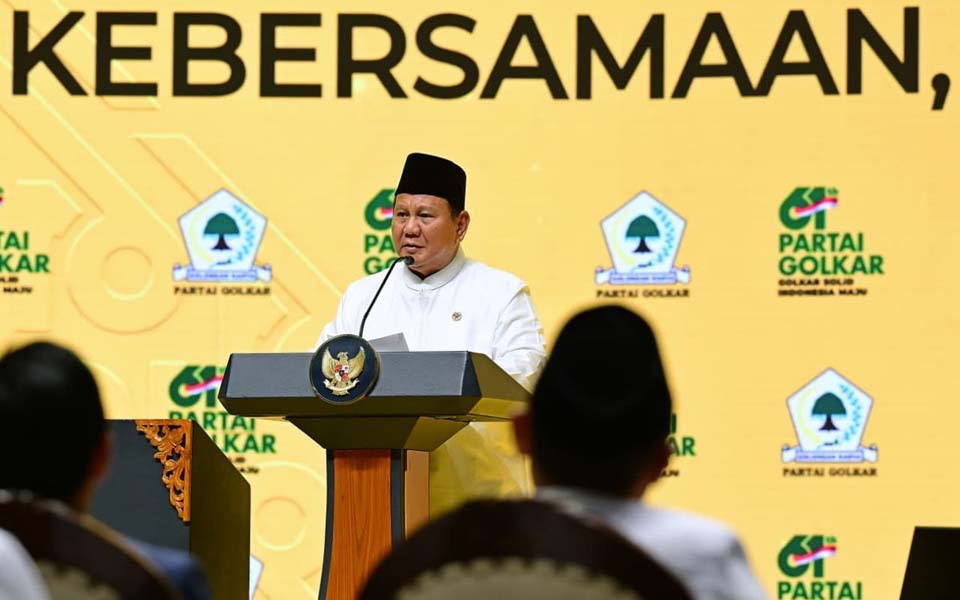
Golkar Party General Chairperson Bahlil Lahadalia proposed that the regional election mechanism for the next election be through the DPRDs.
This proposal was presented before President Prabowo and Vice President Gibran Rakabuming Raka during the Golkar Party's 61st anniversary celebration at Senayan Sports Arena in Jakarta on Friday December 5, 2025.
"Specifically regarding regional elections, a year ago we said that if possible regional heads should just be elected through the DPRDs. There are many pros and cons, but after we studied it, it would indeed be better if we carried out elections through the district/city DPRDs so that we don't have to worry anymore. I believe this needs an in-depth study", said Lahadalia.
Prabowo's Greater Indonesia Movement Party (Gerindra) also expressed support for the proposal.
"Gerindra is in a position to support efforts or plans to implement the election of regional heads by the DPRDs at the regency, mayoral or governor level", said Gerindra Party Secretary General Sugiono in a statement on Monday December 29.
Sugiono believes that regional elections through the DPRDs are more efficient from a budgetary perspective than direct regional elections which involve all voters.
A number of other political parties that back the government have also expressed support for the regional elections to be returned to the DPRD.
Meanwhile, the Indonesian Democratic Party of Struggle (PDI-P), which is not part of the coalition of parties supporting the government, says it will discuss the discourse at a national working meeting this weekend.
When asked about the possibility of the PDI-P officially conveying the party's position on this, PDI-P Central Leadership Board Chairperson Andreas Hugo Pareira stated that it depended on the results of the meeting.
"(The party's position will be conveyed) if this is the decision of the Rakernas [national working meeting]", said Andreas on Wednesday.
Pilkada via DPRD not the answer
Even though many political parties support the discourse on regional elections through the DPRDs, a number of institutions have rejected the idea.
The Centre for Indonesian Law and Policy Studies (PSHK) emphasised that direct regional head elections by the people must be maintained.
The PSHK believes that problems over the quality of democracy and the high cost of regional elections should not be borne by the people, but should be the responsibility of the political elite to improve.
"The Centre for Indonesian Law and Policy Studies urges state administrators and the political party elites to defend direct regional elections by the people and stop this discourse on indirect regional elections", wrote the PSHK in an official statement on Wednesday.
"The political party elite [needs] to reform the political parties with more integrity and democracy to produce quality Pilkada and Pemilu [general elections]", he continued.
The PSHK believes that claims by the political parties that direct regional elections are expensive and vulnerable to money politics, gives the impression that the political elite is passing the blame onto the ordinary people.
The PSHK views this attitude as a cowardly and manipulative act, because the main problem lies with the political parties themselves.
"The biggest problem actually lies with political parties that lack integrity, are not democratic, and are unable to carry out their political education function optimally", explained the PSHK.
University of Indonesia (UI) Election Law lecturer Titi Anggraini said that without fundamental improvements to political funding, party recruitment and the integrity of DPRD members, returning regional elections to regional parliaments would only move money politics from voters to the DPRD elites.
"In today's political context, with a very dominant parliamentary coalition, this risk is even greater because the concentration of power and political transactions are becoming increasingly closed", she said.
She also explained that currently all the political parties should focus on the main problems of political funding governance and weak supervision.
"The solution is political funding reform and consistent law enforcement, not reviving the regional election model through the DPRDs which was proven to be expensive, elitist and prone to money politics", she stressed.
[Translated by James Balowski. The original title of the article was "Survei LSI Denny JA Ungkap Mayoritas Pemilih Prabowo Tolak Pilkada via DPRD".]