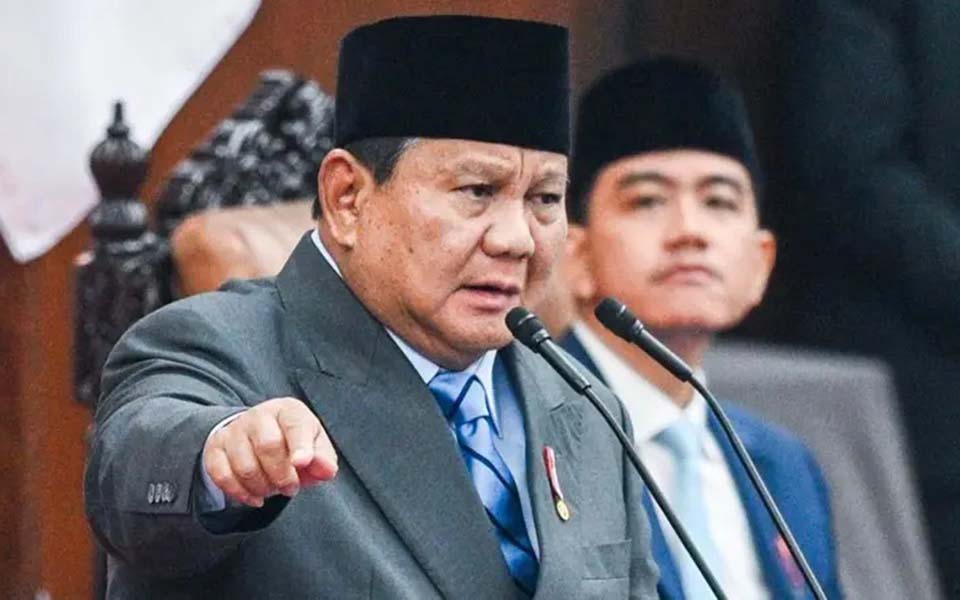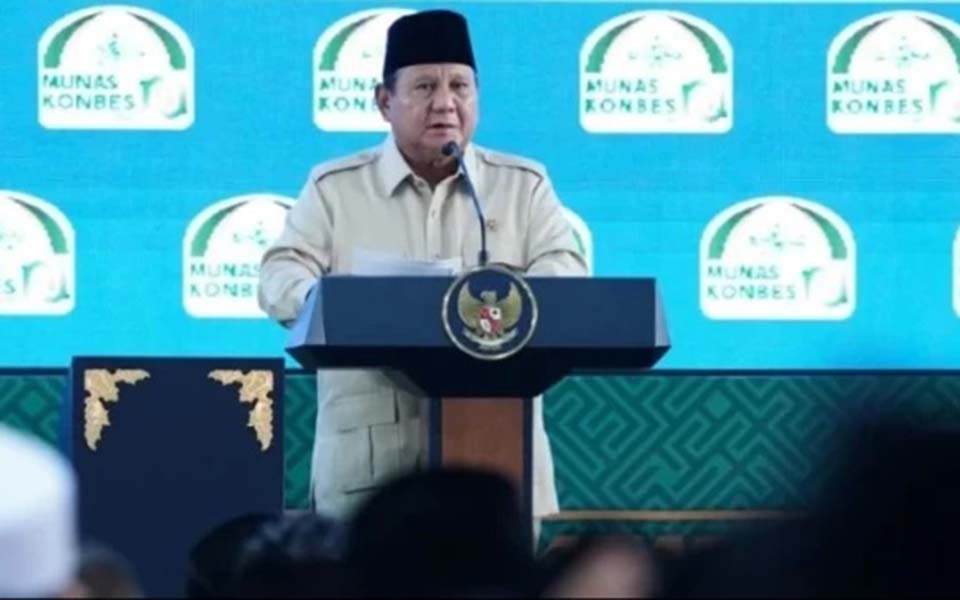


President Prabowo Subianto attended the 2026 BRICS Summit in New Delhi, India, on September 12-13 with a message of resilience, sustainability and inclusive global growth. At the forum, Prabowo emphasised the importance of turning vulnerability into strength and strengthening food and energy security.
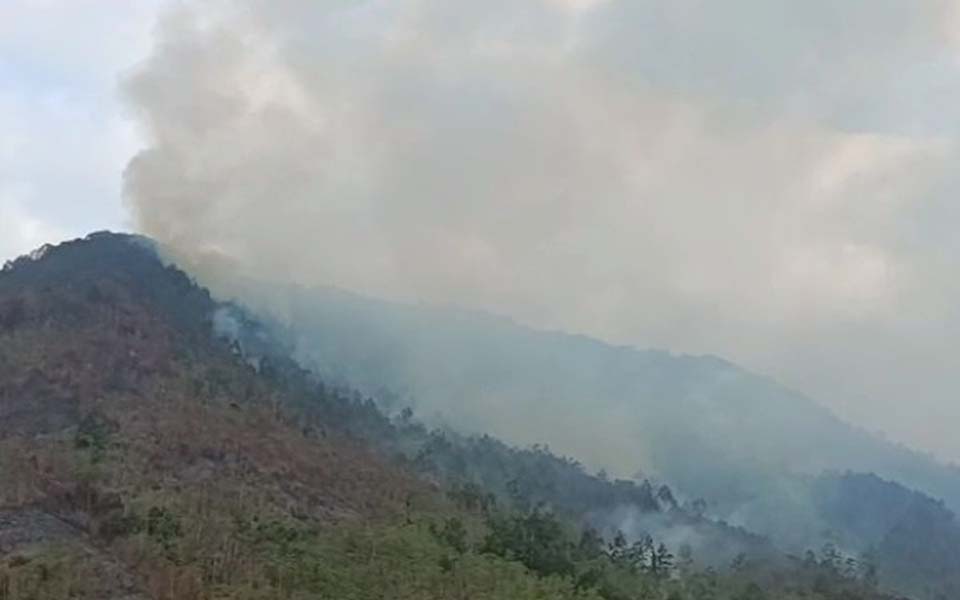
Amid this message however, the forest and land fires that are currently engulfing a number of regions in Indonesia were not part of the President's main message. For Walhi, this situation shows that there is a gap between the resilience narrative brought to global forums and the need to build ecological resilience within the country.
Resilience should not be interpreted as limited to a country's ability to respond to disasters after they occur. Resilience means ensuring that communities are not continually placed in vulnerable situations, while the forests and ecosystems that support life continue to experience pressure. When forest and land fires repeatedly occur, people have to face smoke, health problems, loss of livelihoods and a decline in environmental quality. Therefore, the important question is not just how quickly governments put out fires, but why the same vulnerabilities keep recurring.
"Resilience must stop being a jargon in international forums. When Indonesian people are still breathing smoke and facing the impacts of forest and land fires, the government must show that resilience also means preventing people and the environment from continuing to be placed in a vulnerable condition. Ecological resilience must be built from real action within the country, not just become a narrative on the global stage," said Walhi Climate and Global Issues Campaigner Patria Rizky Ananda.
The impact of forest and land fires this year shows that this problem is not just a fire issue, but has become a public safety issue. The National Disaster Management Agency (BNPB) recorded that in just 24 hours (13/9), 929.83 ha of land was burned. Meanwhile, based on a Ministry of Health's Situation Report, as of September forest and land fires have impacted 10,674,201 residents and have caused 113,336 cases of Acute Respiratory Infections (ISPA) in seven provinces (South Kalimantan, Central Kalimantan, West Kalimantan, East Kalimantan, Jambi, Riau and South Sumatra). And not only in Kalimantan and Sumatra, the Merauke District Health Service also recorded around 1,500 cases of ISPA in Merauke due to forest fires and other fires. These figures show that when ecosystems fail to be protected, it is society that ultimately bears the costs of that vulnerability.
This condition also occurs in the midst of a climate crisis which increasingly increases the risk of fire through high temperatures and drought. Based on data from the Copernicus Atmosphere Monitoring Service (CAMS), in the period 6-12 September alone, forest and land fires in Indonesia are estimated to have released 12.73 million tons of carbon. This situation shows how ecosystem damage, forest and land governance, extreme weather and the climate crisis are intertwined to increase the risk of disasters. The United Nations Environment Programme's (UNEP) latest report warns that the world is heading towards a condition where global temperature rise exceeds 1.5C, so reducing emissions must go hand in hand with efforts to reduce the vulnerability of societies and economies to the impacts of the climate crisis.
Therefore, Walhi is pushing the government to shift its approach from simply responding to disasters towards preventing vulnerability. Protection and restoration of peat and forests must be strengthened, early warning systems and health services must ensure communities are protected, community-based disaster risk reduction must be expanded, and law enforcement against those who cause fires must be taken seriously. The government has indeed ordered an investigation into suspected forest and land burning, but action after a fire occurs is not enough if land and ecosystem management policies still allow the same vulnerabilities to be reproduced over and over again.
"The government cannot ask society to continue to be resilient in the face of disasters, while state policies still allow ecological vulnerabilities to continue to be produced. Real resilience is when the state is able to prevent fires, protect ecosystems, and ensure that society is not always the one who pays for the impacts of ecological crises. If Indonesia wants to talk about resilience at the global level, then that resilience must first be felt by the Indonesian people", asserted Ananda.
Indonesian Forum for the Environment (Walhi)
Jln Tegal Parang Utara Number 14, Mampang Prapatan, South Jakarta
Email: information@walhi.or.id, Instagram: @walhi.nasional, X: @walhi.national, TikTok: @walhi.nasional
Mobile: (+628115501980)
[Translated by James Balowski. The original title of the article was "Indonesia Terbakar, Prabowo Bicara Ketahanan di BRICS".]
Source: https://www.walhi.or.id/indonesia-terbakar-prabowo-bicara-ketahanan-di-brics