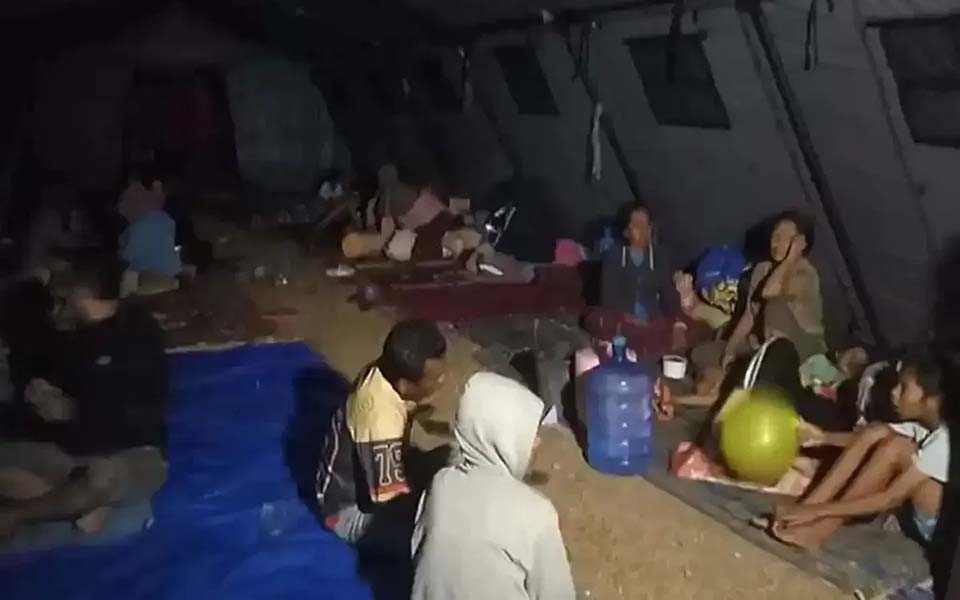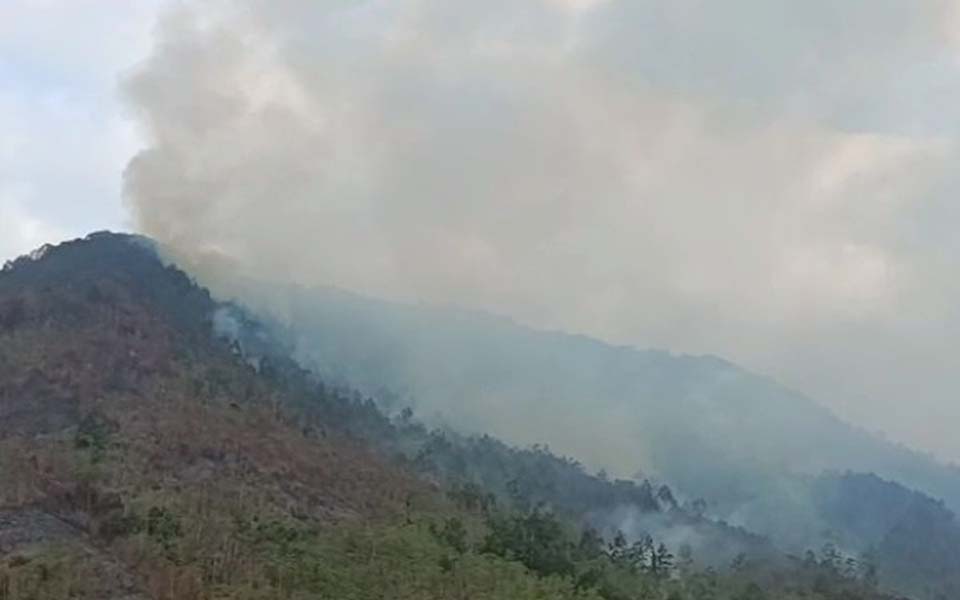


In recent days, restrictions on reporting on the disaster in Sumatra have been widespread and systematic. The pattern is clear and dangerous.
Starting from intimidation by Indonesian Military (TNI) officers against Kompas journalists covering international aid, to the complete removal of disaster coverage on the news portal detik.com, and the CNN Indonesia TV's broadcast shutdown and self-censorship of live reports from the disaster site.
These reports present the factual situation on the ground that contradicts the official narrative of state officials.
This series of incidents demonstrates a serious effort to control the flow of public information and suppress facts. Based on this, the Committed for the Safety of Journalists (KKJ) conveys the following view:
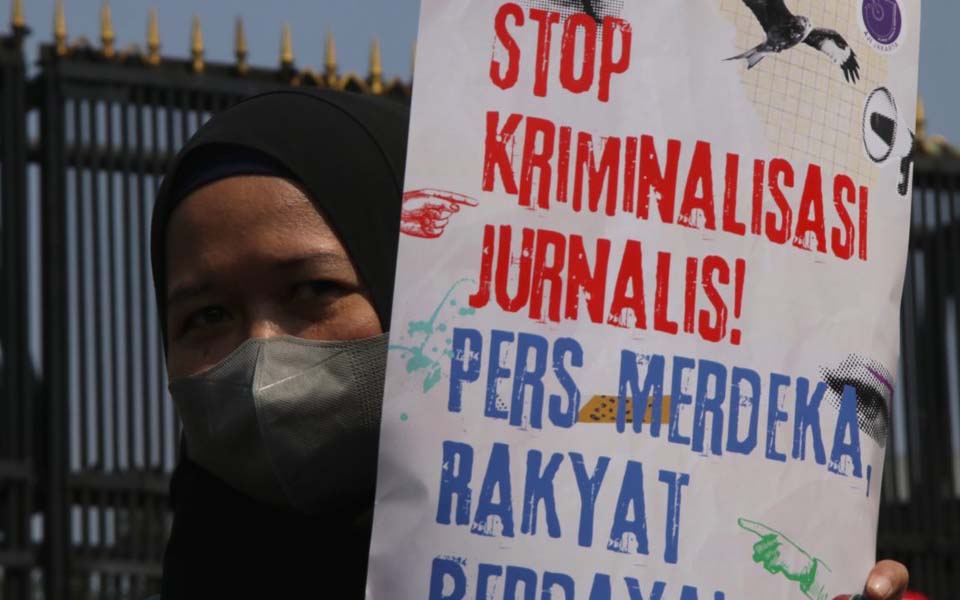
First, press freedom continues to be suppressed and weakened. Restrictions and intimidation against journalists constitute a direct attack on press freedom, which is inseparable from freedom of expression and citizens' right to know. Press freedom is the principle indicator of civil liberties and the quality of democracy. Acts of intimidation against journalists directly contradict the guarantee of legal protection stipulated under Article 8 of Law Number 40/1999 on the Press. Furthermore, these actions fulfil the criminal element of obstructing journalistic work as stipulated under Article 18 paragraph (1) of the Press Law. It needs be emphasised that informal efforts at a peaceful resolution do not eliminate the criminal element of these unlawful acts.
Second, the state is suspected of actively restricting citizens' right to information. Restricting disaster reporting constitutes a serious violation of the right to information, which is a fundamental and constitutional right of citizens. This right is guaranteed by Article 28F of the 1945 Constitution, which states that everyone has the right to obtain and convey information. In the context of disasters, restricting information is not only unlawful but also threatens public safety. Efforts to standardise narratives and obscure facts demonstrates the state's desire to control public knowledge and threaten press freedom.
Third, the state has the potential to become a producer of disinformation. State intervention in reporting, including alleged orders to halt disaster coverage, constitutes a practice of information manipulation. When space for verification, criticism and public oversight is closed, statements by public officials that are erroneous or misleading are allowed to pass without correction. This practice contradicts the principles of the rule of law and democracy, and violates the state's obligation to provide accurate information in accordance with the principles of openness, accuracy and in the public interest.
These violations demonstrate a state that blatantly restricts the rights of its own citizens. Furthermore, media companies cannot abdicate their responsibility. The media has a mandate to act as a social control and a check and balance on power, not as part of a mechanism of censorship.
Based on this, we urge:
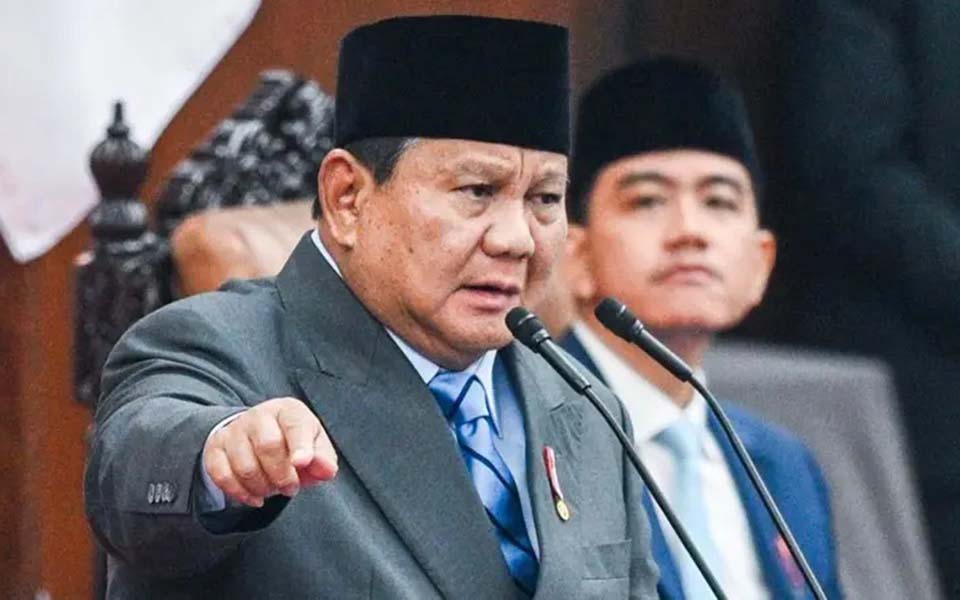
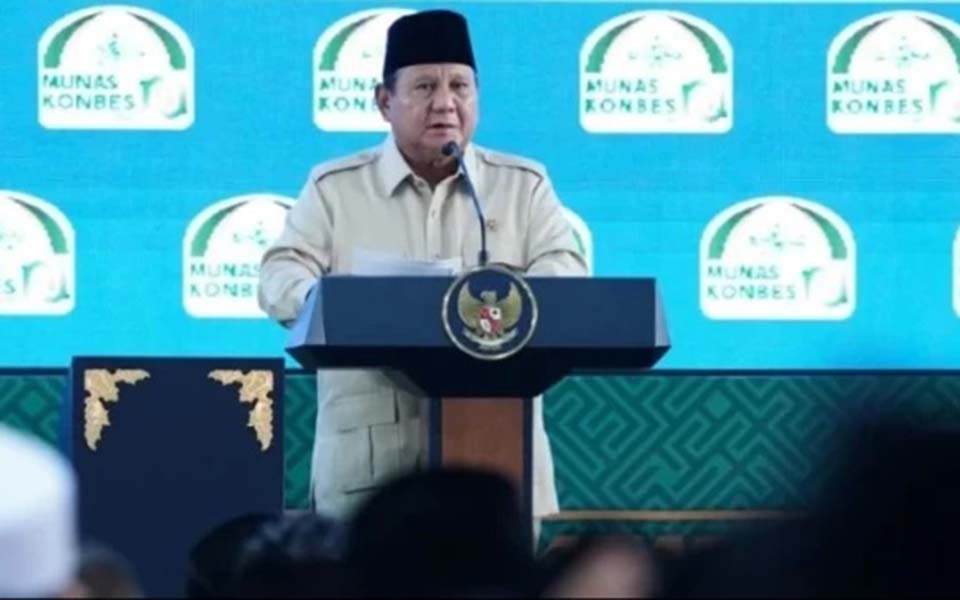
1. The President of the Republic of Indonesia to issue a public apology to all journalists who experienced intimidation and restrictions in covering the disaster in Sumatra, and to immediately declare a national disaster status;
2. The President of the Republic of Indonesia to guarantee full protection for press workers, particularly in disaster areas, and ensure the public receives accurate and factual information;
3. The President of the Republic of Indonesia to order all state officials to cease issuing inaccurate and misleading information that conflict with the facts at disaster sites;
4. The Press Council to actively encourage and pressure the state to fulfil its obligation to protect press freedom, especially in disaster situations;
5. Media companies must ensure the safety and protection of journalists and media workers, and refuse to be involved in any form of restriction, censorship or obscuration of information related to the disaster in Sumatra.
About the Committed for the Safety of Journalists (KKJ):
The KKJ was declared in Jakarta on April 5, 2019, as a strategic alliance to combat impunity for cases of violence against journalists. The committee consists of 11 press and civil society organisations: the Alliance of Independent Journalists (AJI), the Legal Aid Institute for the Press (LBH Pers), the Southeast Asia Freedom of Expression Network (SAFEnet), the Indonesian Television Journalists Association (IJTI), the Indonesian Legal Aid Foundation (YLBHI), the Indonesian Cyber Media Association (AMSI), the Federation of Independent Media Workers Unions (FSPMI), Amnesty International Indonesia (AII), the Media and Creative Industries Workers Union for Democracy (SINDIKASI), the Indonesian Journalists Association (PWI) and the Indonesian Photojournalists (PFI).
[Translated by James Balowski. The original title of the article was "KKJ: Darurat Pembatasan Informasi Bencana, Negara Wajib Minta Maaf".]