

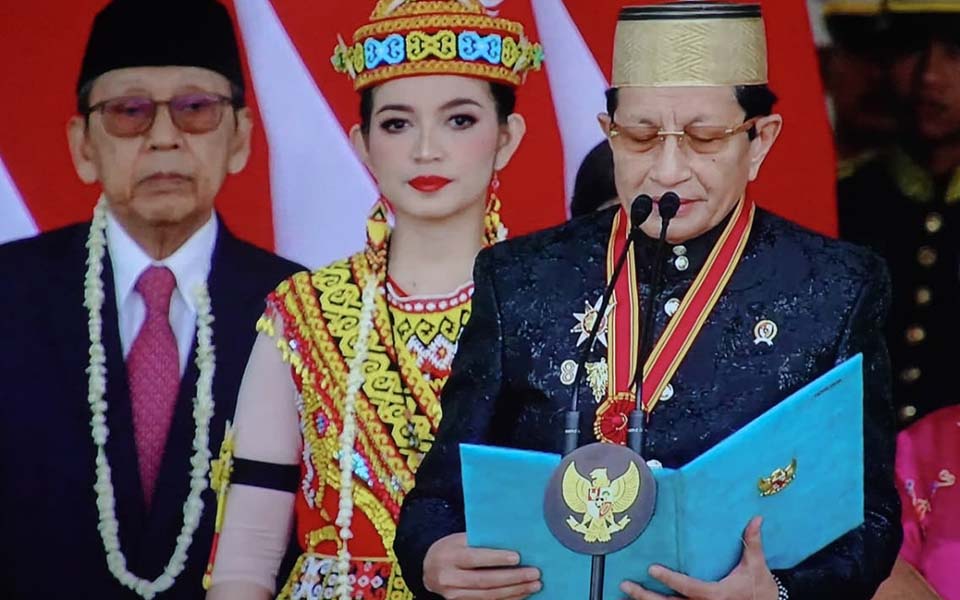
Responding to the Minister of Religious Affairs' claim that Indonesia had reached the peak of socio-religious harmony in Indonesia's history while reciting prayers for the 81st Indonesian Independence Day event, Amnesty International Indonesia Deputy Director Wirya Adiwena said:
"This claim is in stark contrast to the reality on the ground. Almost every year, there are hundreds of violations of freedom of religion and belief, irreparably damaging interfaith harmony.
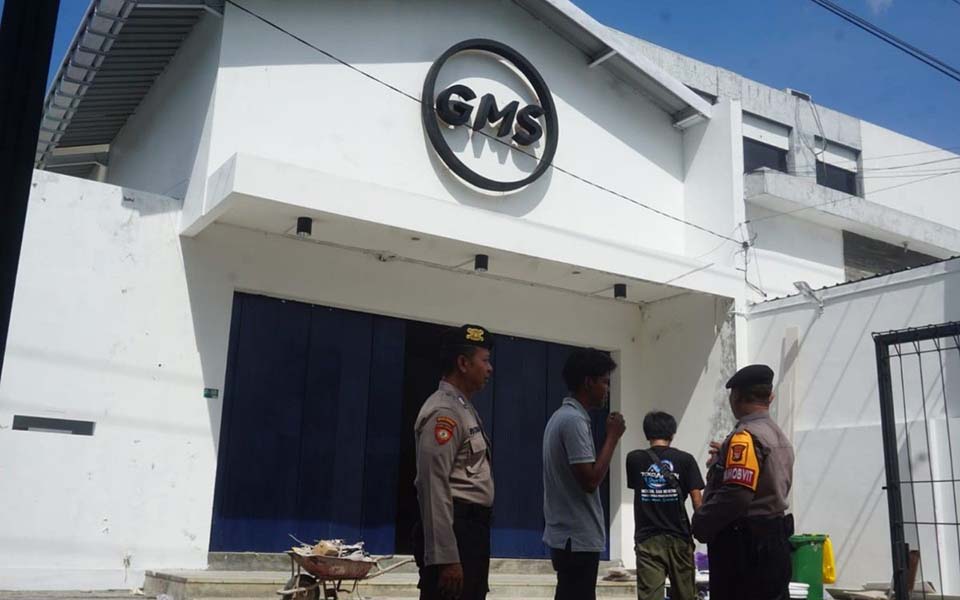
In 2025 alone, the Setara Institute recorded 221 incidents of violations of freedom of religion and belief (KBB) with 331 types of violations. In 2024, there were even more: 260 incidents with 402 acts. The National Commission on Violence Against Women (Komnas Perempuan) also released a report in August on the increasing trend of KBB violations over the past five years. Even more ironic is the fact that the Minister of Religious Affairs made this claim just days after protests against the construction of a church building in Citraland Surabaya, East Java.
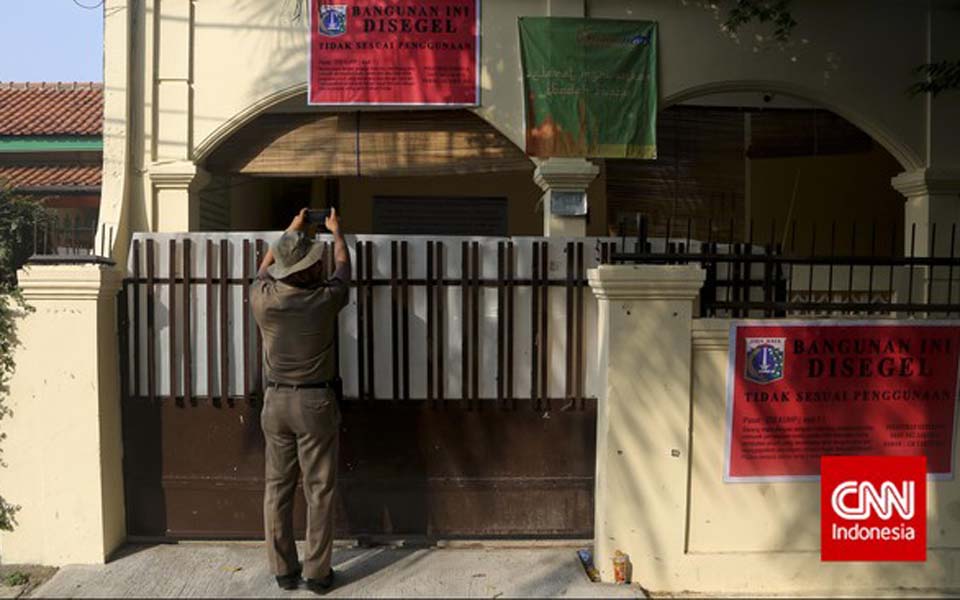
The Minister of Religious Affairs' claims have hurt the feelings of victims of discrimination and intolerance, particularly religious minority groups. Violations of KBB occur often and one of the reasons is because the state allows or fails to prevent intolerant groups from disbanding religious services. In some cases, the state is actually the perpetrator of violations of KBB such as the sealing of the Ecumenical Christian Communion's (POUK) place of worship in Tangerang regency by Public Order Agency (Satpol PP) officials last April.
From January to mid-August 2026, violations of freedom of religion and belief continued. Amnesty International Indonesia recorded at least five cases of concrete discrimination that violated citizens' constitutional rights to religion and belief. These ranged from the ban on Eid prayers for Muhammadiyah congregations in Barru regency in South Sulawesi and Sukoharjo regency in Central Java on March 20, to the most recent repression in the form of banners rejecting a church project in Surabaya city (East Java) that were seen on August 14. These facts are irrefutable evidence for minority groups that the government's claimed socio-religious harmony remains limited to being illusions.
Rather than making claims that are not based on reality, the Minister of Religious Affairs should revoke the 2008 Joint Decree of the Minister of Religious Affairs, the Minister of Home Affairs and the Attorney General, which often serves as the basis for discrimination and repression against religious communities.
The government must also immediately take significant steps by revoking the 2006 Joint Regulations (SKB) of the Ministers of Religious Affairs and the Minister of Home Affairs Numbers 9 and 8. In reality, these regulations governing the establishment of houses of worship often serve as the legal basis for complicating the establishment of houses of worship for minority groups due to requirements that are vulnerable to majority pressure.
Freedom of religion is an absolute human right guaranteed by the Constitution. The government must act as a protector for all citizens equally, not instead being an actor violating the right to freedom of religion and belief."
Background
Minister of Religious Affairs Nasaruddin Umar led a prayer at the 81st Anniversary of Indonesian Independence at the Merdeka Palace on Monday August 17. In the prayer, the Minister stated that socio-religious harmony had reached 77.85 percent, claiming it was the highest level in the nation's history. The Minister's claim sparked a debate on social media.
[Translated by James Balowski. The original title of the article was "Klaim Menteri Agama Tidak Sesuai Fakta Kerukunan Agama".]