

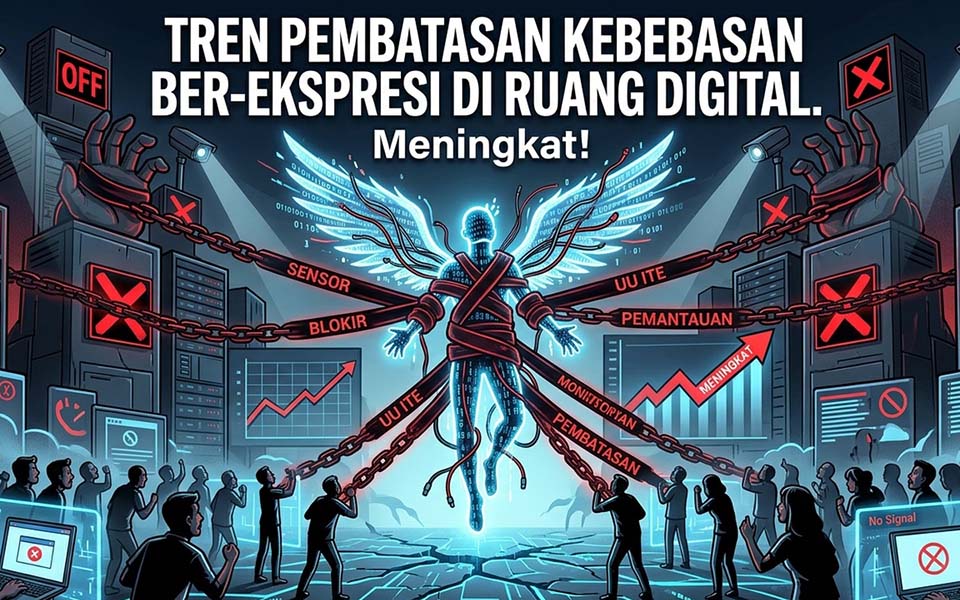
Baharudin Al Farisi, Bilal Ramadhan, Jakarta – Southeast Asia Freedom of Expression Network (SAFEnet) Executive Director Nenden Sekar Arum has revealed that the trend of limiting freedom of expression in digital space continues to increase.
According to Arum, cases of intimidation and attacks on critical groups are increasing from year to year.
"Now, the number of cases are increasing over time like that, yeah, efforts to limit expression", said Arum when contacted by Kompas.com on Monday May 25.
Based on SAFEnet's records, digital attacks and security incidents against critical groups continue to escalate, both in terms of number and the forms of attack.
The pressure experienced by victims is no longer limited to the digital space, but also extends to psychological intimidation and physical violence. Most attacks relate to criticism of government policies and the state apparatus.
Throughout 2025, SAFEnet recorded 907 cases of digital attacks and security incidents, an increase of 2.75 times compared to 2024 when it recorded 330 cases.
The spike in cases is said to have been visible since the beginning of the year and continued to recur throughout the reporting period.
SAFEnet data showed that the majority of reports came from direct complaints from victims at 80.49 percent, followed by social media monitoring at 13.89 percent, and the Advocacy Team for Democracy (TAUD) at 5.62 percent.
In a political context, digital attacks no longer just target human rights activists, civil society organisations or journalists, but also ordinary citizens, academics, creative workers and state civil servants.
Criticism of government policies is increasingly seen as a threat to stability. As a result, posts that reflect public unrest are often the target of attacks, even affecting the families of victims.
In the SAFEnet report, August 2024 was the month with the highest number of digital security attacks, especially during the #PeringatanDarurat (#EmergencyAlert) actions.
That month there were 40 incidents of digital attacks recorded, far above the monthly average throughout 2024 of 27.5 cases.
Meanwhile, July 2024 was the month with the lowest number of incidents, namely 11 cases. However, the number of attacks increased again in September and October with 36 and 39 cases respectively.
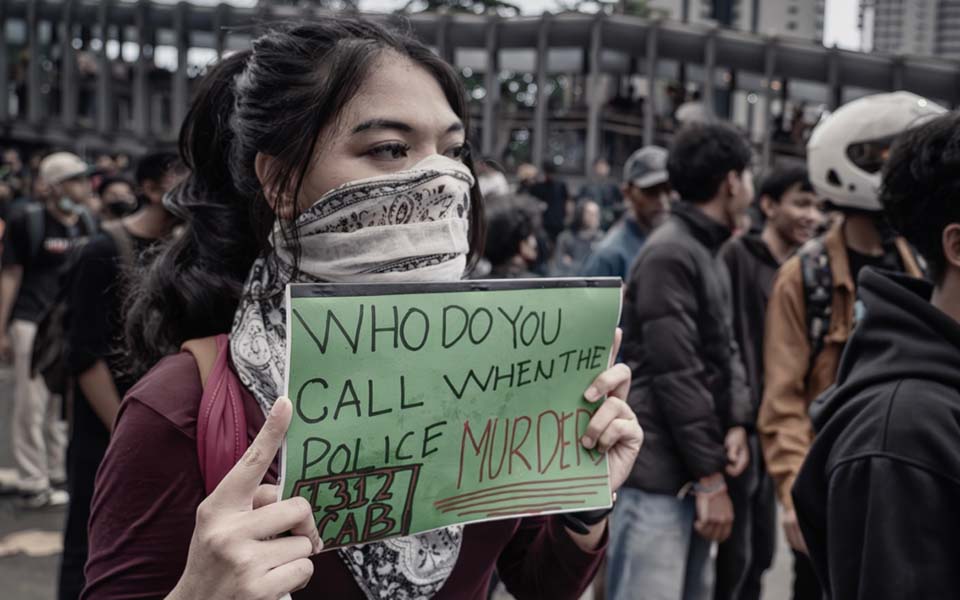
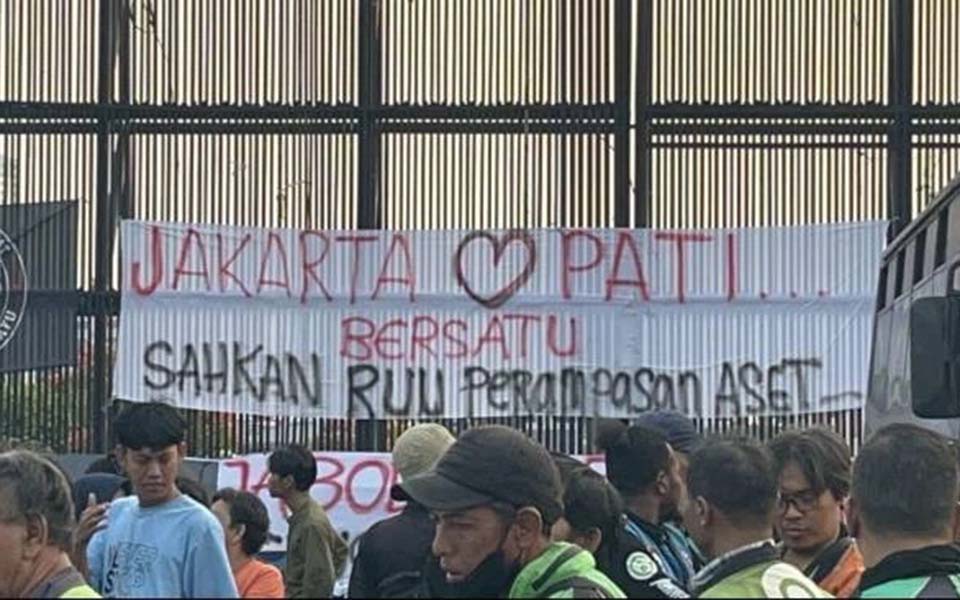
This pattern shows that political momentum, especially public demonstrations, is often accompanied by a spike in digital attacks.
Arum gave the example of the Jakarta-based feminist Magdalene media case in 2026 whose content was subject to geo-blocking by Instagram or Meta after a request from the government.
"Now, we see that many efforts have been pursued like that, yeah. So apart from intimidation, there are requests from the government to digital platforms", she explained.
Arum considers this situation dangerous because it can trigger self-censorship among society.
Threats and intimidation make people afraid to upload content related to certain issues for fear of experiencing violence or pressure.
"For example, it continues to be allowed to happen, so the narrative that emerges or the content that appears on social media is most likely content that is ultimately considered, content that is in quotation marks yeah, considered correct by the government", she said.
"So there is no alternative narrative, no content that can provide criticism of the government regarding certain policies", she added.
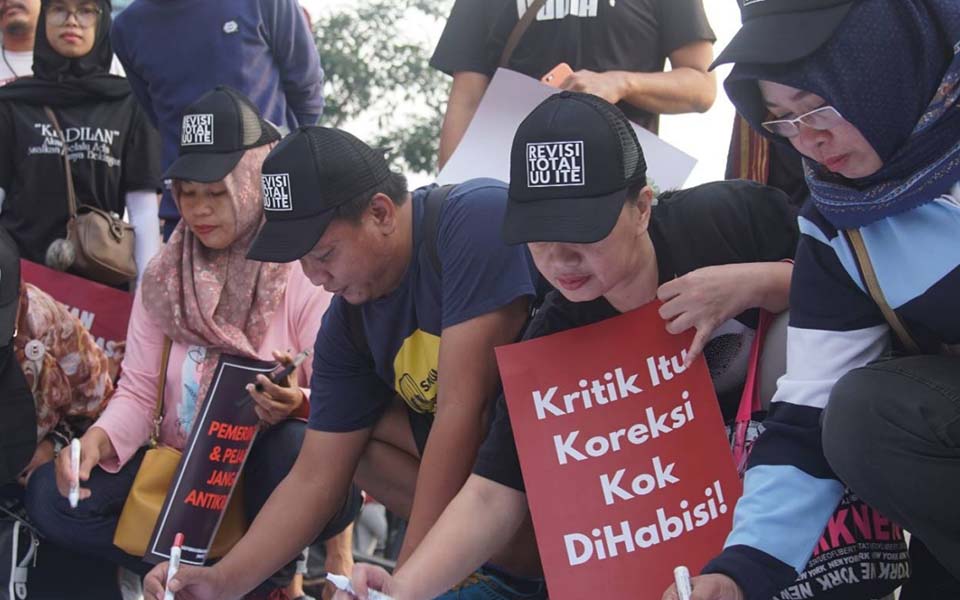
Arum emphasised that public criticism and opinions towards law enforcement officials and government policies should be seen as material for evaluation, not responded to with intimidation.
She also believes that there is an anti-criticism tendency from parties who are in the public spotlight. According to Arum, this situation could worsen the democratic climate because public participation is limited through intimidation.
[Translated by James Balowski. The original title of the article was "SAFEnet Ungkap Tren Meningkatnya Pembatasan Berekspresi di Ruang Digital".]