


Singgih Wiryono, Ambaranie Nadia Kemala Movanita, Jakarta – Amnesty International Indonesia Executive Director Usman Hamid says that the new Criminal Code (KUHP) and the Criminal Procedure Code (KUHAP), which will come into force tomorrow on Friday December 2, will make it easier to criminalise citizens who criticise the government.
In this context, there are criminal articles on insulting the president, vice president and government agencies.
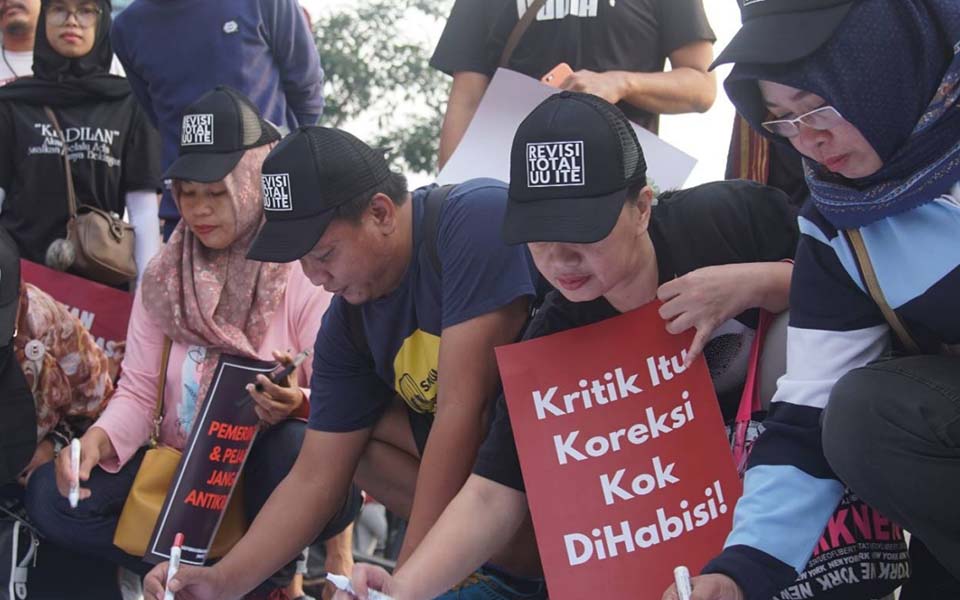
"For example, the new KUHP loosens the criminalisation of citizens in the context of criticising officials such as the president, other state officials, as well as other state agencies", said Hamid during an online press conference held on Thursday January 1.
The former Secretary of the Fact Finding Team (TPF) formed to investigate the 2004 assassination of renowned human rights defender Munir Said Thalib, said that the new KUHAP also gives broader authority to the police.
One example of this is being able carrying out detentions and confiscations without a warrant from an independent institution such as a court.
"Secondly, we are in the midst of a situation where quite a few of those behind bars have experienced injustice", said Hamid.
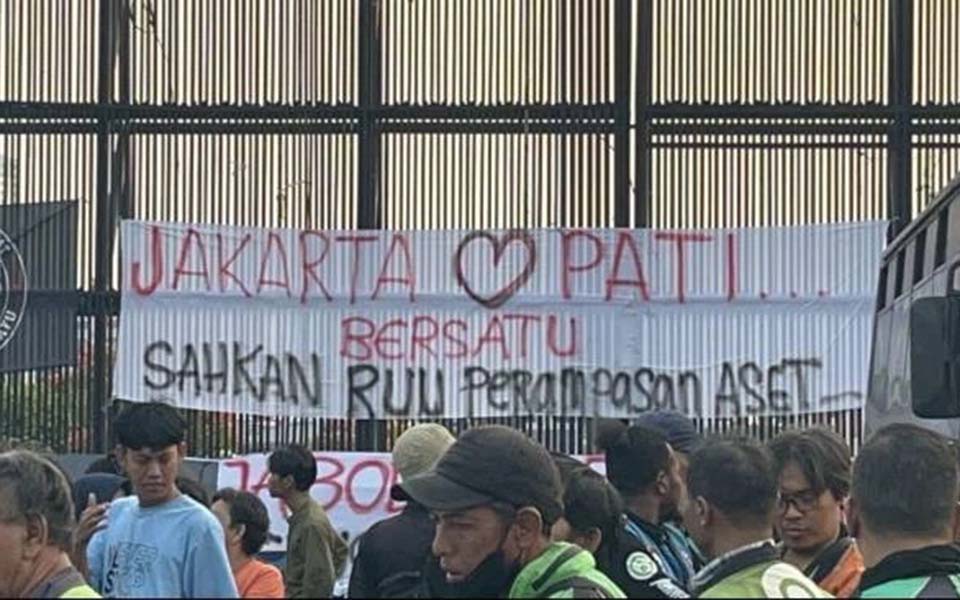
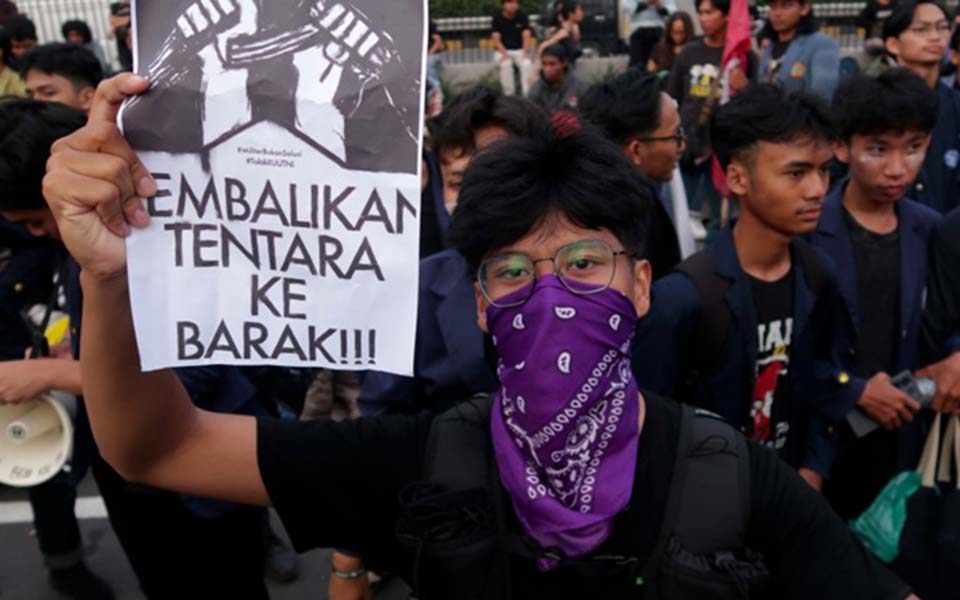
In this context are the activists and demonstrators who were detained by the police during the August 2025 demonstrations.
He explained that there had been various efforts to suspend or release the activists and protesters but the Civil Society Coalition has continues to come up against a dead end.
"Until we concluded that these arrests are not merely a matter of police policy or authority, but rather a political policy of today's administration to suppress criticism, to suppress critical voices", said Hamid.
Hamid believes that the new KUHAP and KUHP will worsen the situation by restoring the anti-criticism articles as a tool of control by the authorities over those who express criticisms. "This opens space for abuse of state power and arbitrariness", he added.
One of the articles highlighted at the press conference was related to freedom of expression in public.
Indonesian Legal Aid Foundation (YLBHI) Chairperson Muhammad Isnur said that related to expressing opinions through demonstrations under the old KUHP, under Article 15 there were criminal sanctions for people who disrupt an action.
"Whereas if we now look at the (new) KUHP, in fact under (article) 256 it is clear that anyone who without prior notification (holds an action) can be subject to prosecution", said Isnur.
Isnur said that this article clearly contains new norms and will criminalise people who express opinions in public without providing prior notification or seeking a permit from the authorities.
For this reason, Isnur believes that the implementation of the new KUHP will drag the public into a complicated democratic situation.
The new KUHP, which was passed into law in 2022, will come into effect on January 2, 2026.
The enactment of this regulation also marks the end of the use of Dutch colonial criminal law which for decades has been the basis of the national criminal law system.
Likewise, the KUHAP was passed in December 2025 and will come into force at the same time as the new KUHP.
[Translated by James Balowski. The original title of the article was "KUHAP-KUHP Baru Berlaku, Usman Hamid: Yang Kritik Pemerintah Gampang Dikriminalisasi".]