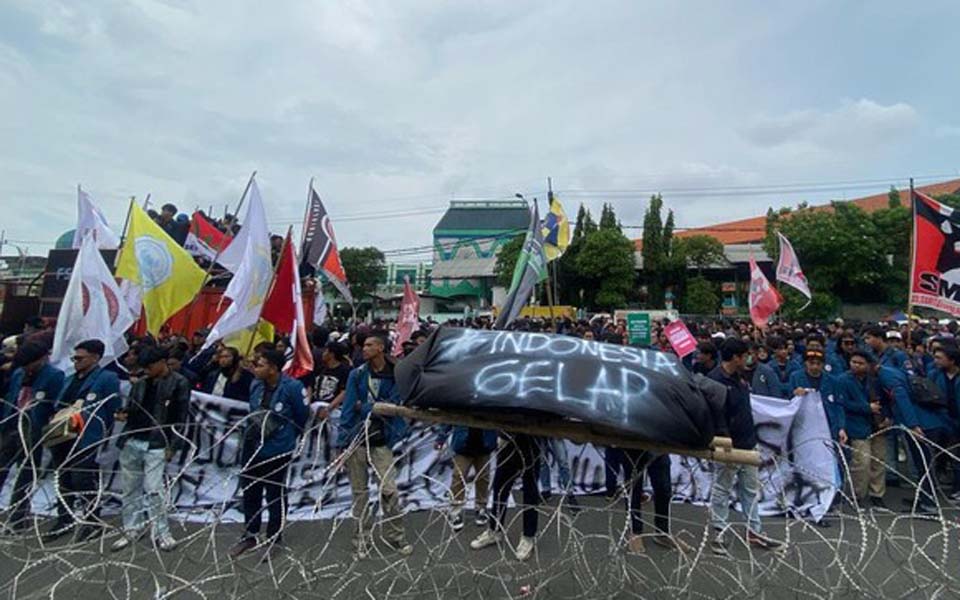


Amsterdam – Disappointment with the Indonesian political system, which is believed to be increasingly distant from the ordinary people, has given rise to a new political initiative among the Indonesian diaspora in the Netherlands.
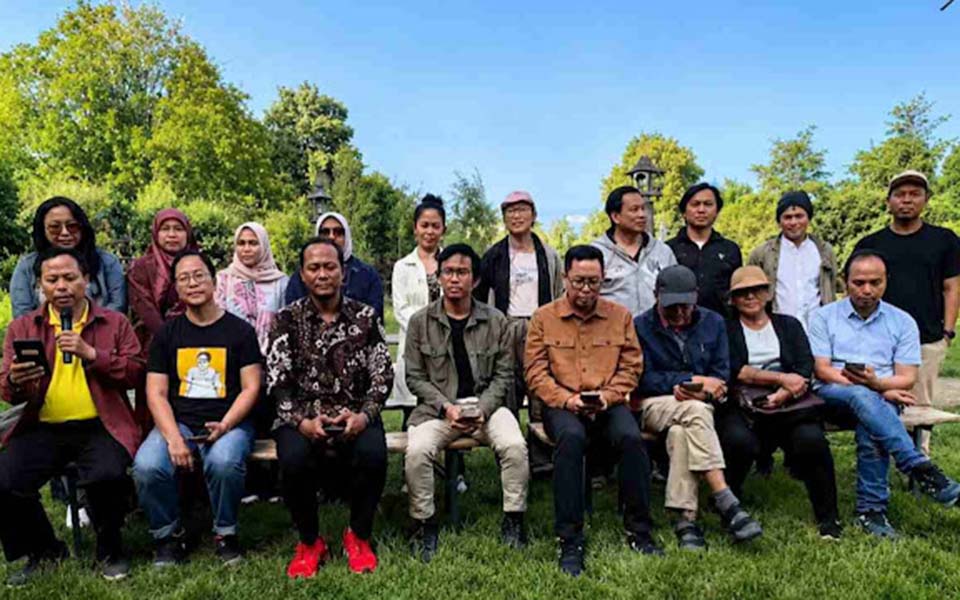
Through the Amsterdam Declaration, read out on Wednesday June 17, various elements of Indonesian civil society in the Netherlands declared the formation of an Alternative Political Bloc and appointed Dandhy Dwi Laksono to lead the initial phase of the movement's consolidation.
The declaration involved the diaspora, students, workers, professionals and several civil society organisations who expressed the need for a new political vehicle outside of the political party structure that currently exists.
"The Indonesian political system is experiencing a serious crisis of representation. Political parties have transformed into vehicles of rent-seeking elites and financiers, and are increasingly losing touch with the constituents they are supposed to represent", wrote the Indonesian-Netherlands Interaction Circle together with Indonesian civil society organisation in the Netherlands in a statement received by GalaPos ID on Thursday June 18.
Democracy in decline
The declaration stems from the assessment that Indonesian democracy is facing a serious decline. They cited the latest Varieties of Democracy (V-Dem) score, which they said showed Indonesia's democratic quality had dropped to 0.30, the lowest since the era of reformasi – the political reform process that began in 1998.
For this group, the problem is no longer simply the failure of a particular political figure, but rather has developed into a systemic breakdown rooted within political institutions.
They believe that the internal correction mechanisms within the current political system are no longer effective. Therefore, change is considered insufficient through replacing figures or partial reforms.
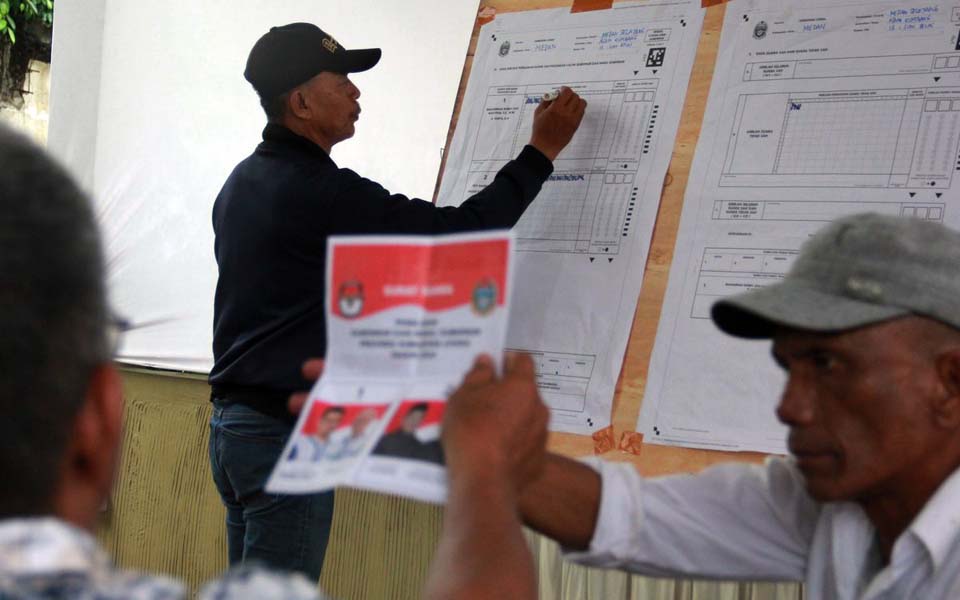
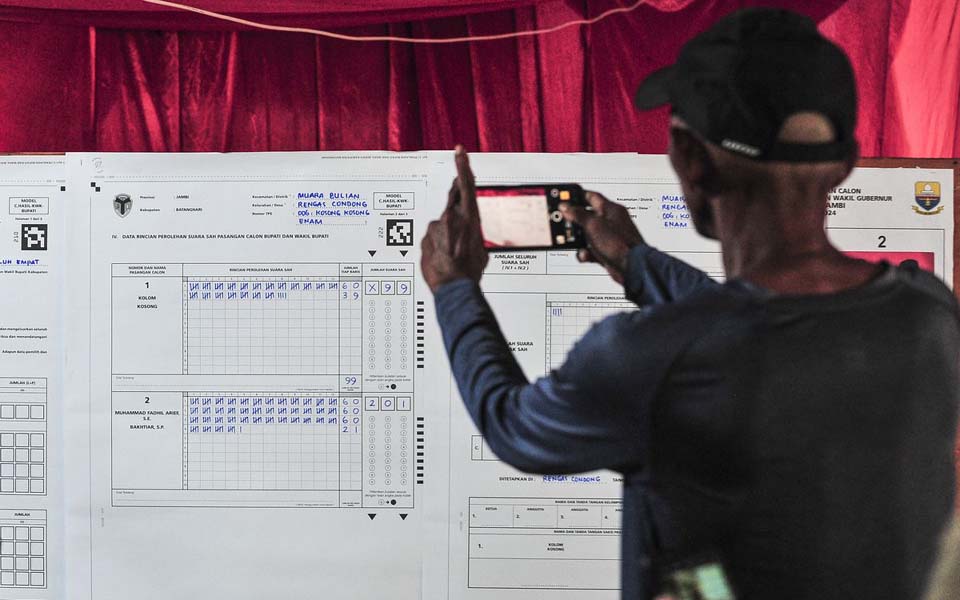
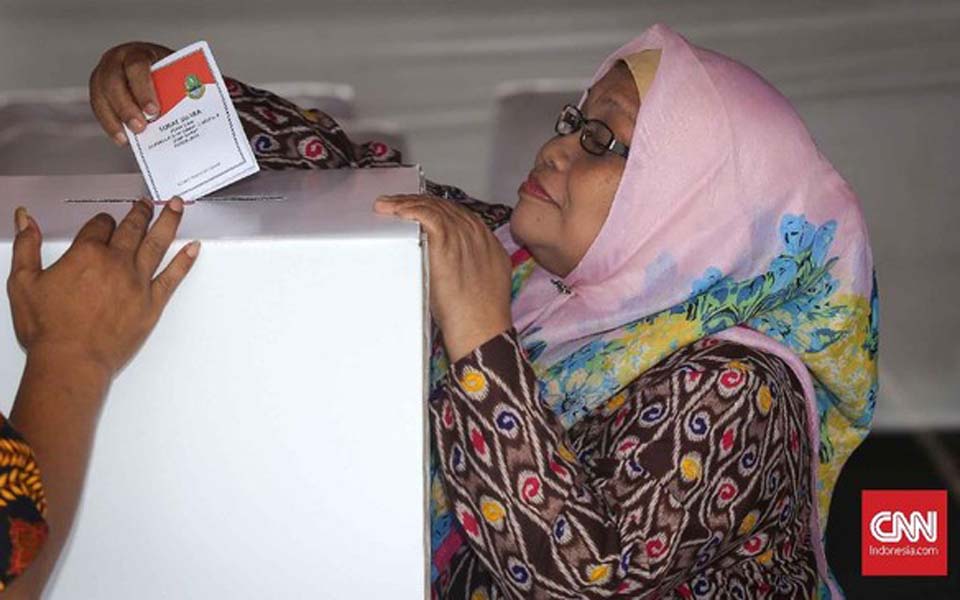
In their declaration, the group also highlighted the growing "white group" (golput – to abstain from voting) phenomenon as a form of public distrust in the existing political system.
Oligarchs increasingly entrenched
The Amsterdam Declaration also refers to research by academics Vedi Hadiz and Richard Robison in their book, Oligarchy and the End of Reformasi. According to the group, post-reformasi oligarchs have become increasingly consolidated through democratic institutions.
Based on this, they believe that criticism from outside the system or simply channelling aspirations through established political parties is no longer sufficient to produce substantial change.
The diaspora group then proposes the formation of an Alternative Political Bloc as a vehicle for civil society consolidation to reclaim political space democratically.
The long-term goal is to prepare for the birth of an alternative political party that claims to be closer to the interests of the ordinary people.
Why Dandhy Dwi Laksono?
One of the most prominent points in the declaration was the appointment of journalist and film-maker Dandhy Dwi Laksono as the leader of the consolidation of the movement.
However, the initiators of the declaration emphasised that this move was not a form of practical political candidacy or an individual cult.
They made several important assertions:
- They did not appoint Laksono as a presidential candidate.
- They do not make Laksono a political messiah or owner of the movement.
- His selection was solely to lead the initial phase of consolidation of the people's movement.
- They support Laksono because he is considered capable of being the starting point for organised collective work.
According to the group, Laksono was chosen based on his track record of social advocacy and involvement in various public issues over the years.
The declaration stated that Laksono has been active in building literacy and advocacy networks for citizens from Aceh to Papua, maintaining independence from political parties and being able to bridge various community groups that had been fragmented.
Three key declarations
In the Amsterdam Declaration, there are three main agendas items that will be implemented.
First, declaring a political emergency and the urgent need to present an Alternative Political Bloc as an instrument of correction for the national political system.
Second, consolidating various elements of civil society, including the cooperatives movement, indigenous communities, agrarian movements, religious communities, farmers, fisher-people, workers, students and college students to hold a democratic and peaceful People's Congress.
It is planned that the Congress will draft a pact of struggle, a political manifesto, organisational structure and chart the direction of the Alternative Political Bloc's struggle.
Third, calling for national actions by various civil society groups in Indonesia and the diaspora to issue a similar declaration and expand the consolidation of the movement in their respective regions.
Big test for alternative movement
Even though it offers a narrative of change, this movement's biggest challenge is not simply gathering public support. Indonesian political history shows that many alternative movements were born out of disappointment with the elite, but quite a few were eventually absorbed into the system they previously criticised.
Therefore, the public will wait to see whether the Alternative Political Bloc is able to build an organisation that is truly independent, transparent and pro-people, or whether it becomes a new political vehicle that repeats old patterns with a different face.
In the midst of a declining trust in political parties and increasing criticism of the oligarchy, the Amsterdam Declaration is a signal that some sections of civil society are starting to look for a new path to reclaim political space which they consider to be increasingly narrow.
- The complete Amsterdam Declaration can be read here: https://drive.google.com/drive/folders/1n85ymdD0WR2LG4lUlJG-v0cP3ns0eyXh
[Translated by James Balowski. The original title of the article was "Darurat Politik Indonesia? Deklarasi Amsterdam Munculkan Blok Politik Alternatif Baru".]
Source: https://www.galapos.id/2026/06/darurat-politik-indonesia-deklarasi.html