

Febrianto Adi Saputro, Bilal Ramadhan, Jakarta – Indonesian Legal Aid Foundation (YLBHI) Chairperson Muhammad Isnur believes that Constitutional Court ruling Number 260/PUU-XXIII/2025, which declared that Law Number 31/1997 on Military Justice conflicts with the Constitution, has changed history.
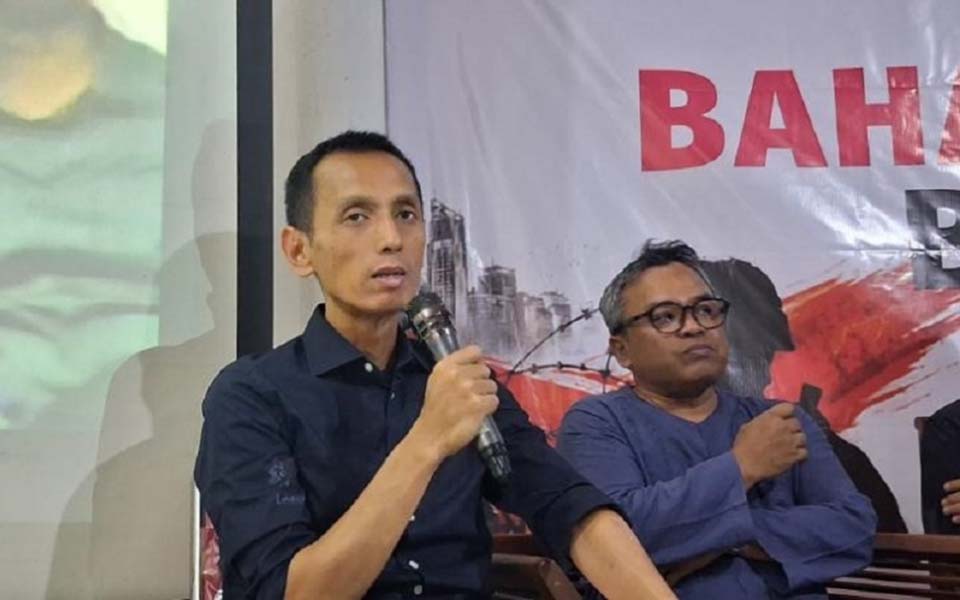
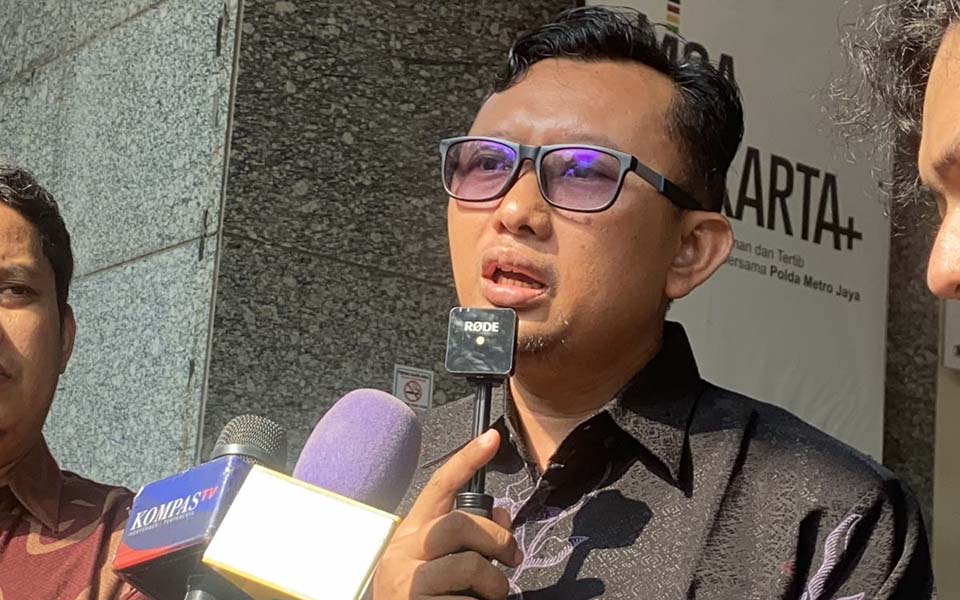
"They (the petitioners) have succeeded in changing history. So we should owe a debt of gratitude to Bu [Mrs] Eva and Leni along with their advocacy team, for shifting this landscape, something that had not yet been successfully fought for by many civil society groups", said Isnur during a press conference that was broadcast online via the Indonesian Human Rights Watch (Imparsial) YouTube channel on Friday October 16.
Isnur commended Eva and Leni's efforts, the petitioners in the case, for their successful outcome. According to Isnur, the Constitutional Courts ruling represents the culmination of a struggle that civil society has championed for over two decades.
"Civil society has been calling for this for a long time. Since 1998, 2000, and 2004, one of the primary advocacy goals within the security sector reform movement has been to restore the true position of the judiciary ensuring its independence while placing the military in a position where it respects civilian supremacy and the rule of law. And this remained unfulfilled for two decades, yes", he asserted.
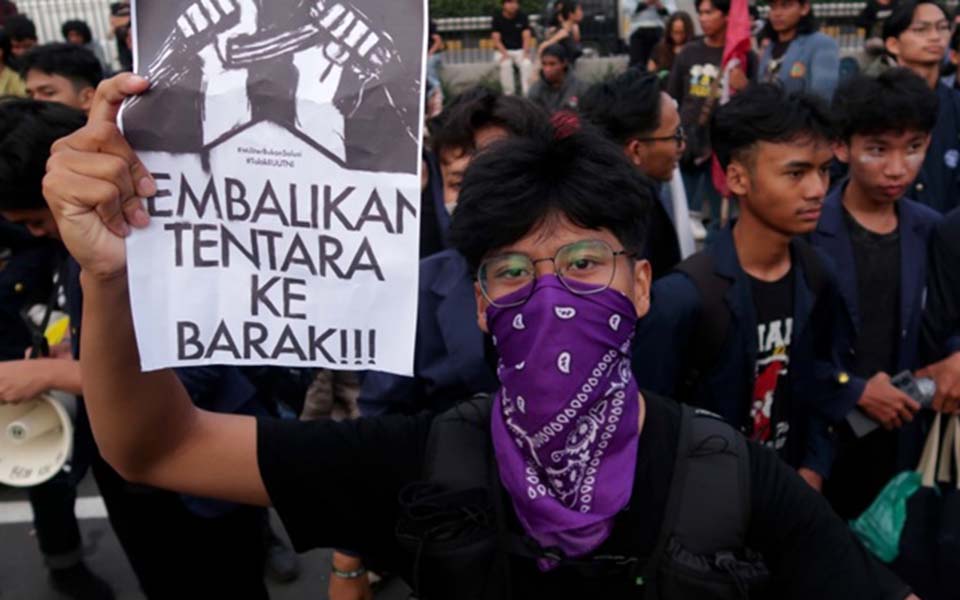
Between October 1, 2025, and September 30, 2026, YLBHI documented 58 instances of violence or legal violations committed by members of the Indonesian Military (TNI). Because of this, he believes the ruling comes at a highly appropriate moment because of the many civilian areas that have now been taken over taken over by the military.
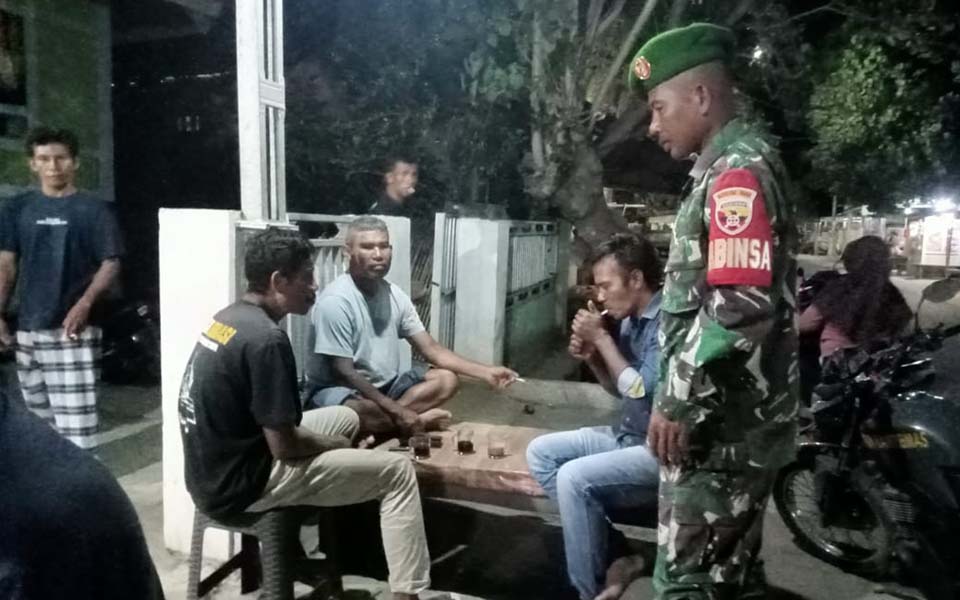
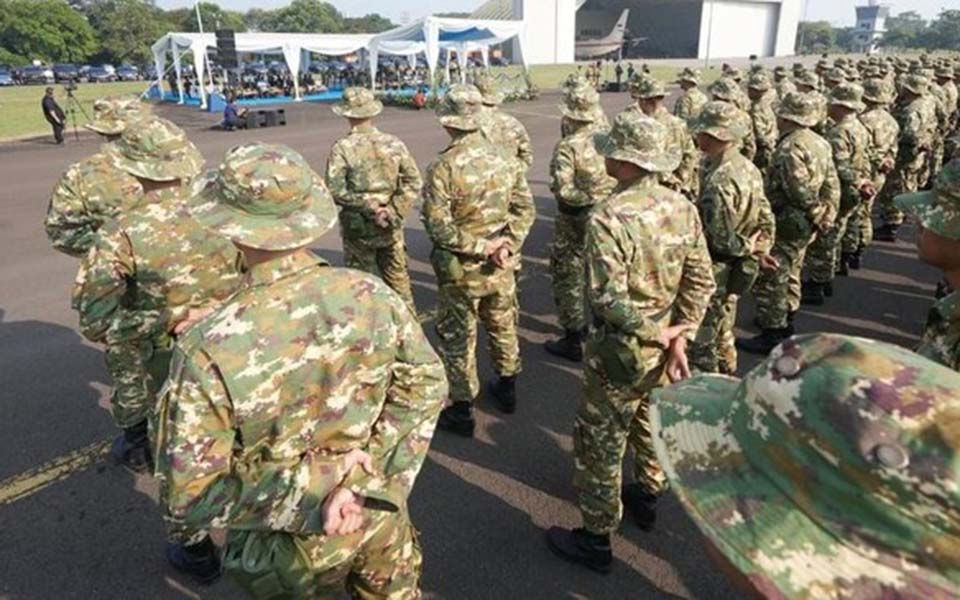
"Why? Because at the moment the intrusion and militarisation of civilian areas are becoming increasingly crazy. All the regions are being militarised. Rice cultivation, taking over, what's it called, millions of hectares of land in Merauke, the KDMP [Red and White Cooperatives project]. These are all civilian areas. Building warehouses is civilian matter, but is being done entirely by the TNI", he said.
Furthermore, Isnur views this ruling as being a new culture for the judicial system. He hopes that the Supreme Court can provide a concept related to public courts for the military.
"Yes, because I'm afraid, I worry, there may be intervention or there will then be serious opposition from the TNI. There could be attempts to sabotage this, yes, perhaps so it doesn't happen. So for me, we shouldn't or don't wait two years", he said.
Constitutional Court ruling
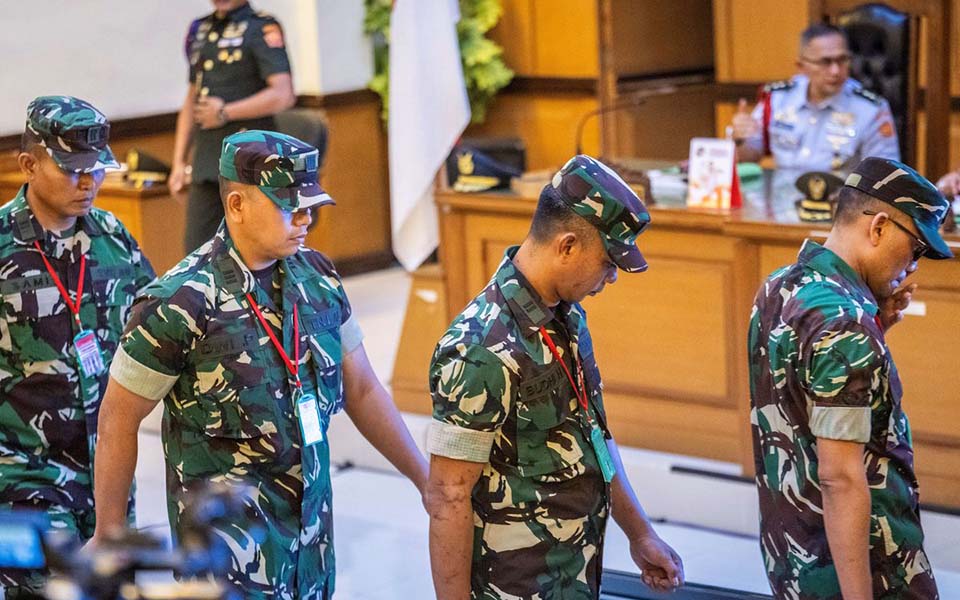
The Constitutional Court (MK) declared that Law Number 31/1997 on Military Courts to be conditionally unconstitutional if it is not revised within two years of the ruling.
"The verdict, the court hereby pronounces that it grants the petitioners' request in its entirety", reads the first part of the ruling.
The second part of the verdict states that Law 31/1997 on Military Courts is in conflict with the 1945 Constitution of the Republic of Indonesia.
In its legal reasoning, the Constitutional Court was of the view that using general courts to try general crimes committed by TNI soldiers could prevent the risk of impunity.
"Therefore, the Court believes that military courts derive their legitimacy from their specific military cases, so when such specific military cases are not found it means that maintaining the jurisdiction (authority) military courts loses the basis of its standing", reads the ruling.
[Translated by James Balowski. The original title of the article was "YLBHI Nilai Putusan MK Soal Gugatan UU Peradilan Militer Mengubah Sejarah".]